Imagine this: your lights flicker during dinner, outlets go dead without warning, and that persistent buzzing from your electrical panel keeps you up at night. These are classic signs of an outdated circuit breaker panel straining under modern demands. If you own a home built before the 1990s, chances are your system is overdue for an upgrade. Replacing your circuit breaker panel is not just a fix; it is essential for safety, efficiency, and peace of mind.
Welcome to the 2026 Complete Guide to replace circuit breaker panel. As a licensed electrician with over 20 years of experience, I have helped thousands of homeowners tackle this project successfully. This tutorial is designed for beginners like you. No prior electrical knowledge is required. You will get clear, step-by-step instructions from preparation to final inspection.
In the pages ahead, discover how to assess your current panel, gather the right tools and materials compliant with the latest NEC codes, execute a safe replacement, and avoid costly mistakes. Learn troubleshooting tips, when to call a pro, and even cost-saving strategies. By the end, you will have a reliable, code-approved panel powering your home flawlessly. Let us get started. Your safer electrical future begins now.
Signs Your Circuit Breaker Panel Needs Replacement
Frequent Tripping of Breakers Under Normal Loads
If your circuit breakers trip frequently, even during routine use like running a toaster or vacuum cleaner, this is a clear warning that your panel may need replacement. Homes built over 25 years ago often have outdated 100-amp service panels designed for far less demanding electrical loads than today. These older systems struggle with modern households that simultaneously power multiple devices, leading to overloads and repeated resets. According to expert guidelines, such panels were common in the 1960s and 1970s when average home usage hovered around 60 amps, but current needs easily exceed that threshold. Persistent tripping not only disrupts daily life but also risks overheating wires, potentially causing fires. A licensed electrician can perform a load calculation to confirm if upgrading to a 200-amp panel is necessary for safety and reliability. Learn key signs of panel issues.
Flickering or Dimming Lights When Appliances Run
Another telltale sign is lights that flicker, dim, or fluctuate brightness whenever you start high-power appliances such as an air conditioner, microwave, or space heater. This voltage drop occurs because your panel lacks the capacity to handle contemporary demands, especially from energy-efficient HVAC systems or EV chargers that draw 40 amps or more. Older 100-amp panels simply cannot distribute power evenly to support these devices without strain, leading to loose connections and inefficiency. In Greater Seattle homes, where EV adoption is rising, this symptom often signals the need for an upgrade to prevent long-term damage. Ignoring it can result in appliance malfunctions or broader outages during peak usage. Schedule an inspection to assess your system’s ability to integrate modern upgrades like Level 2 EV charging stations.
Buzzing, Popping Sounds, or Burning Smells from the Panel
Strange noises like buzzing, popping, or crackling from your electrical panel, accompanied by burning smells resembling hot plastic or fish, demand immediate attention. These sounds typically stem from corroded connections, arcing faults, or breakers on the verge of failure, common in panels exposed to moisture or age-related wear. Aluminum wiring or bus bars in older units expand and contract, creating hot spots that ignite insulation. Such issues precede electrical fires, with experts advising you shut off the main breaker and call a professional right away. Mauro Electric Inc. prioritizes swift inspections to diagnose and resolve these hazards efficiently, minimizing disruption to your home.
Hot or Discolored Outlets and Panels
Outlets or the panel itself that feel unusually hot, or show scorch marks, rust, melting, or discoloration, indicate serious overheating and fire risks. Loose wires, overloaded circuits, or failing components generate excess heat, a problem exacerbated in humid Pacific Northwest climates. NFPA data reveals that electrical failures contribute to 13% of U.S. home structure fires between 2015 and 2019, causing around 51,000 incidents annually, 500 deaths, and $1.3 billion in damages. These visible red flags mean your system is non-compliant with current codes requiring AFCI and GFCI protection. Touch-testing outlets during normal operation can reveal issues early; if warm, do not ignore it.
Outdated Brands Like Federal Pacific, Zinsco, or Challenger
Panels from brands such as Federal Pacific (FPE), Zinsco, or Challenger, popular in the mid-20th century, pose inherent dangers due to high failure rates. Insurance reports note these models fail to trip over 25% of the time during overloads, with FPE Stab-Lok breakers reaching up to 65% unreliability and Zinsco units prone to melting bus bars. Challenger panels suffer mechanical flaws that prevent proper disconnection, leading to arcing at extreme temperatures. Many insurers refuse coverage or impose surcharges for these obsolete systems, citing negligence in fire claims. Homes with these panels, regardless of other symptoms, warrant immediate replacement to modern, code-compliant 200-amp service. Explore when to replace your panel. Recognizing these signs ensures your home stays safe; for expert service in Bothell and Greater Seattle, trust Mauro Electric Inc. since 1998 to handle replacements efficiently and on time.
Dangers of Delaying Circuit Breaker Panel Replacement
Fire Risks from Electrical Failures
Electrical failures spark around 51,000 home fires each year in the United States, according to the Electrical Safety Foundation International (ESFI). These incidents result in approximately 500 deaths, over 1,400 injuries, and more than $1.3 billion in property damage annually. The National Fire Protection Association (NFPA) corroborates this with reports showing electrical distribution issues as a top cause of home structure fires, leading to significant financial losses that outpace other fire origins NFPA home structure fires report. For beginners, understand that these fires often start invisibly from overloaded wires or arcing faults, spreading rapidly through walls and attics. In Greater Seattle homes built before 1990, aging systems amplify this threat, turning minor overloads into infernos. Delaying action ignores these statistics, putting your family and home at immediate risk.
Hazards of Obsolete Panels Like FPE
Outdated panels, such as Federal Pacific Electric (FPE) Stab-Lok models common in older Seattle-area homes, dramatically heighten fire dangers. These panels fail to trip breakers properly in over 25 percent of overload situations due to defective internal mechanisms, allowing wires to overheat unchecked. Testing by safety authorities reveals failure rates as high as 33 percent or more, leading to sustained arcing that ignites insulation and framing. Homeowners may not notice until smoke appears, as breakers falsely indicate they have tripped while power flows. Rust and corrosion further degrade connections, making even normal loads hazardous. Replacing these obsolete units is non-negotiable for safety.
Insurance Denials and Premium Increases
Insurance providers frequently deny claims or sharply raise premiums for homes with non-compliant panels like FPE, Zinsco, or Challenger. These systems violate current electrical codes and carry documented fire histories, prompting underwriters to flag them during inspections. In Greater Seattle, where many pre-1990 homes retain original 60- or 100-amp setups, this leads to policy cancellations or hikes exceeding 20-50 percent. A fire traced to such a panel could leave you liable for full damages, including rebuilding costs averaging tens of thousands. Proactive inspections reveal these issues early, securing coverage and avoiding financial ruin. Delaying invites both safety and economic peril.
Code Violations from Double-Tapping and Rust
Double-tapped breakers, where two wires share one terminal, and rust-corroded connections create arcing faults that defy National Electrical Code (NEC) standards like 408.41. These setups loosen over time from heat cycles, sparking intermittent arcs responsible for over half of electrical fires. In humid Seattle climates, rust accelerates this, endangering families with shocks or blazes from unstable neutrals. Violations not only risk lives but also fail home inspections, stalling sales. Spotting warm panels or buzzing signals urgent professional evaluation.
Preventing Disruptions with Proactive Replacement
A 40 percent surge in residential electrical upgrades, fueled by EV chargers and smart home demands, underscores the need for timely panel replacement. Legacy 100-amp panels buckle under modern loads like 40-amp Level 2 EV stations or HVAC upgrades, causing outages or fires. Upgrading to 200-amp service ensures capacity, code compliance, and integration with energy-efficient systems. At Mauro Electric Inc., we handle these efficiently in one day with minimal disruption, serving Greater Seattle since 1998. Acting now safeguards your home, boosts value, and avoids escalating crises from ignored signs.
Key Benefits of Upgrading Your Circuit Breaker Panel
Upgrading your circuit breaker panel delivers transformative advantages for homeowners in Bothell and Greater Seattle, especially those noticing frequent tripping or outdated systems from previous sections. A modern replacement, often to a 200A service, handles today’s electrical demands while prioritizing safety and efficiency. This investment not only resolves immediate issues but also positions your home for long-term reliability. At Mauro Electric Inc., serving the area since 1998, we specialize in these upgrades with expert precision, ensuring minimal disruption and on-time completion.
Boosts Capacity to 200A Service, Supporting EV Level 2 Chargers and HVAC Without Tripping
Many older homes in Seattle rely on 60-100A panels, inadequate for contemporary loads like Level 2 EV chargers, which demand 40-100A dedicated circuits. A 200A upgrade provides the necessary headroom, allowing simultaneous operation of HVAC systems (typically 30-50A), induction cooktops, and chargers without overloads. For instance, a standard Level 2 charger delivers 20-40 miles of range per hour on a 40-60A circuit, ideal for Washington’s growing EV adoption. Load calculations per National Electrical Code (NEC) confirm 200A as the baseline for mid-sized homes, preventing trips during peak summer AC use. Homeowners report seamless performance post-upgrade, with no more interruptions during family movie nights or laundry cycles. This capacity boost future-proofs against rising demands from smart appliances.
Enhances Safety with Modern Breakers, Cleaner Wiring, and Code Compliance
New panels feature advanced arc-fault circuit interrupters (AFCIs) and ground-fault protection, slashing fire risks from electrical failures, which cause 13% of U.S. home structure fires. Replacing hazardous older brands eliminates issues like breakers that fail to trip over 25% of the time. Upgrades include wiring inspections for corrosion or double-tapping, resulting in cleaner, code-compliant setups aligned with Washington’s strict NEC standards. Insurance providers often offer 5-15% discounts for compliant systems, lowering premiums and avoiding non-renewal. A Bothell family recently saved hundreds annually after our inspection revealed hidden risks. Professional replacement ensures every circuit is labeled and tested for optimal safety.
Enables Smart Home Integration, Generators, Solar Panels, and Boosts Home Value
A upgraded panel integrates effortlessly with smart systems, generators, and solar arrays, supporting Seattle’s net metering incentives. Devices like app-controlled breakers enable real-time monitoring and load balancing during outages. In Bothell’s competitive resale market, these features signal a modern, electrified home, increasing value by 2-5% according to local realtors. Buyers prioritize EV-ready properties, with upgraded panels accelerating sales. Pairing with home batteries maximizes energy independence. Mauro Electric Inc. excels in these integrations, enhancing your property’s appeal.
Minimal Downtime with 1-Day Professional Installs
Expert teams complete most replace circuit breaker panel jobs in one day, coordinating with Puget Sound Energy for power shutoffs of just 4-8 hours. Temporary generators keep essentials running if needed. Our process includes pre-upgrade load calcs and post-install testing for immediate activation. Seattle homeowners experience powered efficiency throughout, with permits handled seamlessly. This efficiency underscores our commitment to the best service.
Future-Proofs for Trends Like Smart Panels
Smart panels, projected to grow at 7.3% CAGR to 2034 per GMI Insights, offer circuit prioritization and 15% energy savings. They align with Washington’s EV and sustainability push, preparing for heat pump mandates. Upgrading now leverages rebates and tax credits. A 200A service upgrade ensures readiness, as seen in our Bothell projects supporting solar and EV infrastructure. Contact Mauro Electric Inc. for a free assessment to safeguard your home’s electrical future.
2026 Costs to Replace Circuit Breaker Panel in Seattle
Nationally, replacing a circuit breaker panel from a standard 100-amp to a 200-amp service averages $1,300 to $1,800 in 2026, covering basic materials and labor for straightforward swaps without extensive rewiring. This figure comes from comprehensive pricing guides and reflects typical residential upgrades that boost capacity for modern appliances. In the Seattle area, however, costs rise to $2,022 to $3,202 according to Angi data specific to Seattle, driven by higher labor rates, seismic requirements, and coordination with utilities like Puget Sound Energy (PSE). For Bothell homeowners, these local premiums mean budgeting carefully, but the investment prevents the fire risks and disruptions discussed earlier. Beginners should note that these averages assume a one-day job with accessible panels, yet real quotes vary based on home specifics.
Full Cost Range and Breakdown
The overall national range for circuit breaker panel replacement spans $1,200 to $4,500, escalating with factors like larger 200-amp or 400-amp panels, partial rewiring, or advanced smart features such as SPAN systems. For example, a basic 100-amp panel might cost $1,200 to $2,500, while a 200-amp upgrade with smart monitoring jumps to $2,500 to $4,500 due to app-controlled breakers that balance loads for EVs and solar. In Puget Sound homes, add 5 to 20 percent for regional demands. A typical breakdown includes $250 to $800 for the panel and breakers, $1,000 to $3,000 for labor, and extras like $500 to $2,000 for EV or HVAC circuits. Smart panels like SPAN, which offer real-time monitoring and outage prioritization, can push totals to $6,500 or more, ideal for forward-thinking Seattle setups.
Key Factors Driving Costs
Several elements influence pricing, starting with professional load calculations required by the National Electrical Code (NEC) to match your home’s demand, such as 40-amp HVAC units or 50-amp EV chargers. Permits in the Puget Sound area run $200 to $500, covering Seattle Department of Construction and Inspections (SDCI) fees and inspections for code compliance. Rewiring for outdated aluminum or knob-and-tube systems adds $1,000 to $3,000, while attic access or corrosion remediation increases labor time. Upgrades for dedicated EV or heat pump circuits are common now, given the 40 percent rise in residential electrical projects by 2025. Actionable tip: Request a free load analysis from a licensed electrician to pinpoint exact needs and avoid overpaying.
Financing, Rebates, and Local Expertise
Bothell and Greater Seattle homeowners can offset costs through PSE rebates up to $2,000 for EV charger installations that often include panel upgrades, plus federal 30 percent tax credits up to $1,000 via the Inflation Reduction Act. Financing options through trusted providers make payments manageable over time. Mauro Electric Inc., serving the area since 1998, delivers transparent quotes with no surprises, emphasizing efficient one-day completions. Their focus on EV, HVAC, and energy-efficient lighting ensures on-time, high-quality work. For precise 2026 pricing, contact them at 360-654-7703; this proactive step aligns with trends toward safer, smarter homes while maximizing rebates.
Preparing for Your Circuit Breaker Panel Replacement
Schedule Professional Inspection and Load Calculation
Before replacing your circuit breaker panel, start with a professional inspection by a licensed electrician. This step assesses your current system’s capacity, identifies hazards like outdated breakers or corrosion, and performs a precise load calculation per NEC Article 220 standards. For example, calculate general lighting at 3 VA per square foot, add 1,500 VA for each small appliance circuit in the kitchen, and factor in 125% of the largest motor load like your HVAC unit. Demand factors reduce the total, such as 40% for the first 10 kVA of general loads. Divide the final demand by 240V to size your new panel, often upgrading from 100 amps to 200 amps for modern Seattle homes with EV chargers needing 40-50 dedicated amps. This prevents frequent tripping and supports future additions like heat pumps. Professionals use tools like NEC-compliant calculators to ensure accuracy, avoiding undersizing that affects 40% of upgrades.
Secure Seattle-Area Permits and Notifications
Permits are mandatory for any circuit breaker panel replacement in the Seattle region, handled through the Seattle Department of Construction and Inspections (SDCI) via their online portal. Fees range from $100 to $300, depending on project value, and processing is quick for licensed contractors. Homeowners can apply for minor work, but experts recommend pros who manage everything seamlessly. They also coordinate with Puget Sound Energy (PSE) for notifications, especially for service upgrades requiring meter changes. PSE enforces strict standards; inspections must pass before activation, with potential delays of 3-6 months for utility work. Hiring a local specialist ensures compliance and on-time completion. For detailed preparation steps, see this guide on electrical panel replacement.
Clear Access and Prepare Backup Power
Prepare your site by clearing 3-4 feet of workspace around the panel, removing furniture, boxes, or shelving, and protecting floors with plastic drop cloths. Secure pets and children during the process. Expect a full power outage lasting 4-8 hours for a standard job, so charge devices, stock non-perishable food, and plan for essentials. Use a portable generator or UPS battery to keep your fridge running 24-48 hours; label critical circuits like fridge and freezer beforehand for priority reconnection. This minimizes disruption in your busy Seattle household.
Assess Existing Wiring Issues
Document any wiring problems during inspection, such as aluminum branches from 1965-1973 homes that oxidize and spark fires, or pre-1950s knob-and-tube lacking grounding. These often require rewiring costing $10,000-$20,000 alongside panel replacement. Take photos of the panel and branches for the electrician’s review, especially in older Bothell properties.
Select a Reputable Local Electrician
Choose an EL02-licensed electrician with 25+ years of experience, like Mauro Electric Inc. in Bothell, serving Greater Seattle since 1998. They offer local code expertise, handle EV chargers and rewiring efficiently, and provide warranties. Verify reviews and insurance for the best service. For Seattle-specific cost insights, check this panel upgrade guide. This preparation ensures a safe, swift upgrade.
Step-by-Step Professional Replacement Process
1. Shut Off Main Power Utility-Side and Inspect Old Panel for Code Violations
The first critical step in replacing a circuit breaker panel begins with coordinating a complete power shutdown from the utility side to ensure zero electrical risk. At Mauro Electric Inc., we contact your local utility provider, such as Puget Sound Energy in the Greater Seattle area, to schedule a safe disconnection at the meter base or service drop. This utility-side shutoff, combined with lockout/tagout procedures on all breakers, prevents any backfeed from generators or solar systems. Once power is off, we verify de-energization using calibrated non-contact voltage testers and multimeters across all buses and wires, confirming zero volts before proceeding.
Next, a thorough inspection and documentation of the old panel occur. We photograph every breaker, wire connection, label, and enclosure detail for reference, permits, and insurance records. Common 2026 NEC violations we check include double-tapped breakers (NEC 110.3), improper labeling (NEC 408.4), missing AFCI/GFCI protection (NEC 210.12), corroded connections, unsealed knockouts (NEC 408.7), and inadequate working clearances (NEC 110.26 requiring 30 inches wide by 36 inches deep by 78 inches high). For instance, in Bothell homes built before 1980, we often find outdated panels lacking fault current markings (NEC 408.6). We also perform a load calculation per NEC Article 220 to size the new panel accurately, ensuring it supports modern demands like EV chargers drawing 40-100 amps. This meticulous process, typically taking 30-60 minutes, sets the foundation for a compliant upgrade.
2. Remove Old Panel, Transfer Circuits to Temporary Setup if Needed, and Dispose of Hazardous Materials Safely
With power safely off, removal of the old panel follows precise protocols to avoid damage to your home’s structure or wiring. We label each circuit clearly, such as “Kitchen Outlets – 20A” or “HVAC – 30A,” then disconnect breakers in reverse torque order, unbolt the enclosure, and extract it carefully. Any frayed, overheated, or aluminum wiring gets flagged for replacement during this phase. In cases of extended work, like service entrance upgrades, we transfer essential circuits (refrigerator, lights) to a temporary generator panel using an NEC-compliant interlock kit, minimizing disruption to just a few hours.
Safe disposal is non-negotiable for panels containing potential hazards like PCBs or heavy metals in pre-1980s units. Mauro Electric handles all materials through EPA-approved recyclers, separating copper, aluminum, and steel while complying with local hazardous waste regulations in Washington State. For example, we generate proper manifests and avoid landfills, protecting the environment and your property. This step ensures your Bothell home remains safe and code-ready, wrapping up in under an hour for standard jobs.
3. Mount New Panel, Install Main Breaker, Meter Base, and Ground Rod per 2026 NEC Standards
Mounting the new panel demands precision for longevity and safety. We secure it level to a sturdy wall in a dry, accessible location with full NEC 110.26 clearances, using NEMA 3R enclosures for outdoor Bothell installations prone to rain. The main breaker, rated for your calculated load (often 200A for Seattle homes), installs next, along with any meter base upgrade if service capacity increases.
Grounding completes this phase per NEC 250. We drive an 8-foot copper-clad ground rod fully into the earth, testing resistance below 25 ohms; a second rod adds if needed, spaced 6 feet apart. Bonding occurs only at the main panel (NEC 250.24), with the equipment grounding conductor connected securely. 2026 NEC updates, like required short-circuit current ratings (NEC 408.6), get marked prominently. This structural work future-proofs your system for EV charging or solar integration.
4. Rewire and Label All Circuits Clearly, Integrate Subpanels or Surge Protection as Required
Rewiring transfers documented circuits to the new panel with exact breaker sizing (NEC 240), torquing lugs to manufacturer specs for optimal contact. Neutrals and grounds separate properly, especially in subpanels (NEC 408.40), and we organize wires for ventilation. Every circuit receives a permanent, legible label per NEC 408.4, such as “Bedroom AFCI Circuit 1 – 15A,” with unused openings sealed.
Integrations like whole-home surge protection (Type 1/2 SPD per emerging NEC 230.67) or subpanels for over 40 circuits enhance reliability. In Greater Seattle homes adding HVAC or Level 2 EV chargers, we incorporate these seamlessly, supporting energy-efficient upgrades.
5. Test Every Breaker, Conduct Final Inspection, Energize Service, and Verify with Load Simulation
Final testing energizes the system after utility reconnection. We trip and reset each breaker, checking voltage, continuity, and no-load performance with multimeters. Load simulation follows, plugging in high-draw items like hair dryers on multiple circuits to confirm balance and no trips.
A local authority having jurisdiction (AHJ) inspection verifies compliance, including torque checks and documentation. Mauro Electric provides a walkthrough, educating you on maintenance. For details on this process, see this step-by-step guide. Your panel replacement completes efficiently, often in one day, boosting safety and home value.
Bothell and Seattle Specifics for Panel Replacements
Permit Requirements and PSE Coordination in King County
In King County, which encompasses much of Bothell and Seattle, the Washington State Department of Labor and Industries (L&I) mandates electrical permits for all residential circuit breaker panel replacements, especially those involving services over 100 amps. These permits must be secured online through L&I’s system before any work starts, with fees typically ranging from $100 to $300 depending on the project’s ampacity. Inspections are required prior to energizing the new panel to ensure compliance with the latest National Electrical Code (NEC) updates. Puget Sound Energy (PSE), the local utility serving Greater Seattle, plays a crucial role by coordinating a seamless handoff; homeowners or contractors submit a service request, and PSE verifies capacity before upgrading the meter or transformer if needed. This process, which can take 2 to 6 weeks, prevents outages during Seattle’s frequent rainy weather and guarantees safe reconnection only after L&I approval. For beginners, always let your licensed electrician handle permits and PSE coordination to avoid delays or fines.
Common Needs in 1960s-1980s Bothell Homes
Many Bothell homes built between the 1960s and 1980s, representing about 25 to 35 percent of the local housing stock, still rely on outdated fuse boxes, knife switches, or undersized 60-amp panels. These systems struggle with modern demands like EV chargers drawing 40 amps or more, HVAC units, and additional appliances, often leading to frequent tripping or fire hazards from brands like Federal Pacific or Zinsco. Local electricians report that 40 to 50 percent of pre-1990 home inspections reveal capacity shortages, especially with home additions such as hot tubs or accessory dwelling units (ADUs). Upgrading to a 200-amp panel not only resolves these issues but also prepares your home for future electrification trends driven by Washington’s Clean Energy Transformation Act. Homeowners selling properties or seeking insurance often discover these deficiencies during inspections, making proactive replacement essential.
Leveraging PSE Rebates for EV-Ready Panels
Puget Sound Energy offers valuable rebates that significantly reduce the net cost of replacing your circuit breaker panel with an EV-ready 200-amp model, including a dedicated 50-amp circuit. The standard EV Home Charger Rebate provides up to $600 for Level 2 chargers plus $2,000 toward installation expenses. For qualifying lower-income King County households, the Up & Go Electric Home Charging program covers up to 100 percent or $2,000 of panel upgrade costs, paired with federal Inflation Reduction Act incentives exceeding $4,000. In 2026, over 30 percent of PSE rebates are linked to panel upgrades amid surging EV adoption in the Puget Sound region. Bundle these with heat pump rebates of $800 to $4,500 for maximum savings. Contact PSE early to confirm eligibility and streamline your application post-installation.
Addressing Damp Basements and Corrosion Challenges
Seattle’s damp climate, with over 50 inches of annual rainfall and high groundwater, accelerates corrosion in basement panels, affecting 20 to 30 percent of older installations through rust on buses and breakers. To combat this, install NEMA 3R or 4X-rated enclosures made of ventilated stainless steel, which resist rain, ice, and corrosion while meeting NEC 2026 damp-location requirements. Relocating panels upstairs or adding dehumidifiers and enhanced grounding provides additional protection. Local pros at Mauro Electric Inc. routinely specify these solutions to prevent failures and ensure longevity.
One-Day Turnaround with Local Experts
Mauro Electric Inc., serving Bothell and Greater Seattle homeowners since 1998, specializes in one-day circuit breaker panel replacements, minimizing disruption even in rainy weather. Our team coordinates temporary PSE power, completes the swap, and passes inspections swiftly, often within hours for standard jobs. This efficiency supports our EV charging, rewiring, and HVAC services, delivering the best possible results on time. With rising demands from EVs and smart homes, trust licensed EL01 experts like us for safe, code-compliant upgrades that boost your home’s value and safety. Schedule your inspection today to stay ahead of regional trends.
Future-Proof with Smart Panels and EV Integration
Adopting Intelligent Panels for App-Controlled Load Balancing and Outage Prioritization
When you replace your circuit breaker panel with intelligent options like SPAN or Schneider Pulse, you gain cutting-edge control that traditional panels cannot match. These smart panels feature app-based interfaces that let you monitor and manage individual circuits remotely, automatically balancing loads to prevent overloads from high-demand devices such as air conditioners or kitchen appliances. For instance, during peak usage, the SPAN panel can pause non-essential circuits to prioritize critical ones, avoiding the need for expensive utility service upgrades. Schneider Pulse offers similar “smart load shedding,” dynamically adjusting power to appliances during outages or high demand, which extends backup power from batteries by up to 40 percent in real-world scenarios. This technology is UL-listed and complies with the latest NEC standards, making it ideal for Bothell and Greater Seattle homes transitioning to electrification. Beginners benefit from the intuitive apps that provide real-time alerts and usage insights, empowering you to make informed decisions without electrical expertise.
Pairing with Level 2 EV Chargers Amid Seattle’s EV Surge
Seattle’s EV adoption has surged, with Washington state reaching a 19 percent registration rate by 2025, and the city accounting for nearly 38 percent of statewide registrations. Level 2 EV chargers, which deliver 25 to 40 miles of range per hour, require a dedicated 50-amp circuit with number 6 AWG copper wire to operate safely and efficiently overnight. Replacing your circuit breaker panel at this stage ensures your 200-amp service can handle this without tripping breakers or dimming lights elsewhere in the home. Smart panels like SPAN integrate directly with EV chargers via features like SPAN Drive, which schedules charging during off-peak hours and throttles power if total home usage spikes. This setup aligns perfectly with local trends, as Washington plans to add over 1,400 new Level 2 ports by 2025, many in Seattle neighborhoods. For homeowners in Bothell, this future-proofs your electrical system against the growing demand for home charging stations.
Integrating Solar Batteries and Generators for Energy Independence
Upgrading to a 200-amp panel during replacement supports seamless integration of solar batteries and generators, fostering true energy independence. SPAN panels pair effortlessly with systems like Tesla Powerwall or Enphase IQ Batteries, enabling grid-interactive virtual power plants that dispatch stored energy during peaks for utility incentives. Schneider Pulse handles similar setups with modular relays for solar inverters and batteries, optimizing flow to avoid overloads. Generators, such as Generac PWRcell models with 200-amp service-rated transfer switches, connect without issues, backing up the entire home including HVAC units and up to eight priority circuits. This combination is crucial in the Puget Sound region, where Puget Sound Energy rates rose 9.3 percent in 2026, making self-reliance more valuable. Residential solar installations in Washington jumped 37 percent recently, underscoring the need for panels that handle these hybrid systems reliably.
Real-Time Energy Monitoring via Apps and the Upgrade Boom
Smart panel apps deliver comprehensive dashboards showing circuit-by-circuit energy use, helping you spot inefficiencies like phantom loads from standby devices. This real-time monitoring can slash electricity bills by 15 percent through optimized scheduling and aligns with sustainability goals amid a 40 percent boom in residential electrical upgrades by 2025. The global smart panel market, valued at $12.5 billion in 2024, grows at 7.3 percent annually, driven by electrification trends. In Greater Seattle, where data centers and EVs fuel 1 to 3 percent demand growth, these tools prevent costly $70,000 service upgrades by maximizing existing capacity. Users receive actionable insights, such as pausing laundry during EV charging, promoting eco-friendly habits effortlessly.
Consulting Pros for Seamless Installs and Compatibility
Professional installation is non-negotiable for smart panels, ensuring compatibility with Generac systems, solar setups, and smart home ecosystems like Nest or Alexa. Licensed electricians perform precise load calculations, secure permits through King County L&I, and test integrations to meet NEC 2026 codes, including UL 3141 for smart breakers. At Mauro Electric Inc., serving Bothell and Greater Seattle since 1998, we deliver efficient, on-time service with minimal disruption, often completing jobs in one day. Our expertise in EV chargers, home rewiring, and energy-efficient upgrades guarantees your system is future-ready. Contact us for a consultation to tailor this upgrade to your home, boosting safety, value, and resilience.
Actionable Takeaways: Upgrade Your Panel Today
Inspect Your Panel Without Delay
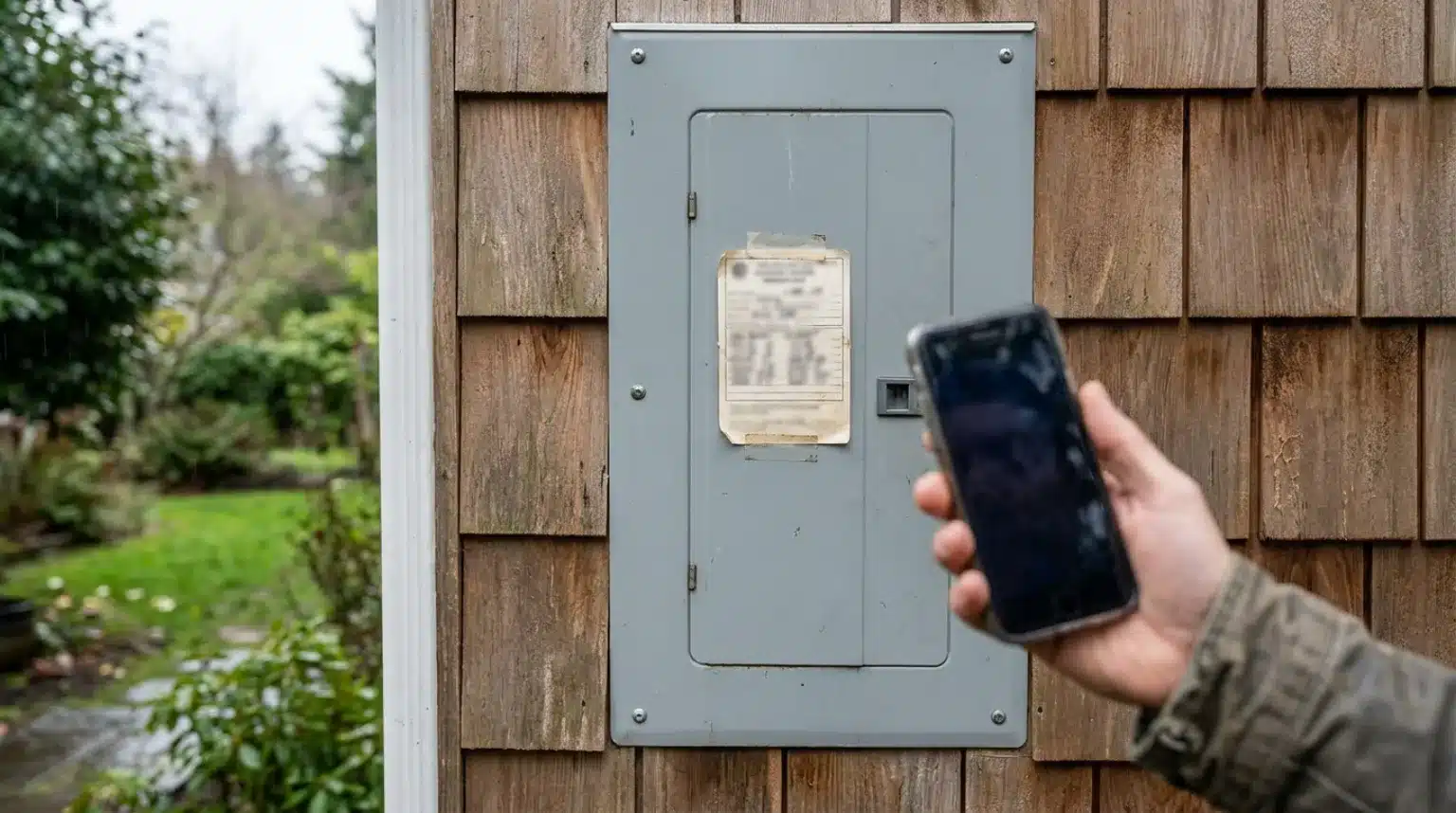
Start by examining your circuit breaker panel right away for telltale signs like frequent tripping, buzzing noises, or flickering lights, which signal overload or failure. Delaying this upgrade invites serious risks, as electrical failures contribute to home fires causing $1.3 billion in nationwide damage annually. Outdated panels over 20 years old often lack capacity for today’s demands, putting your family at risk. Take photos of any issues, such as rust or double-tapped breakers, to share with a professional.
Budget Smartly for Seattle Homes
Expect to invest $2,000 to $3,500 for a reliable circuit breaker panel replacement in Seattle, covering a upgrade to 200-amp service suited for EV chargers and HVAC systems. Factor in local rebates that can offset costs for energy-efficient upgrades supporting modern loads like Level 2 EV stations requiring 40-100 amps. This range accounts for permits, materials, and labor in King County, ensuring value without surprises.
Secure a Free Expert Assessment
Contact a trusted Bothell electrician today for a complimentary load calculation and personalized quote. Prioritize services promising one-day completion to minimize disruption, with thorough testing and labeling post-install. Verify outdated brands like Federal Pacific, Zinsco, or Challenger, which fail to trip reliably and violate codes, endangering your home while lowering resale value.
Partner with Mauro Electric Inc.
Schedule your replacement with Mauro Electric Inc., your reliable partner serving Greater Seattle homeowners since 1998. We deliver on-time, professional service focused on efficiency and safety, boosting your home’s value and supporting future EV or smart integrations. Act now for peace of mind.
Conclusion
In this 2026 Complete Guide, you have learned the essential steps to replace your circuit breaker panel safely and effectively. Key takeaways include assessing your current setup for hazards, selecting NEC-compliant tools and materials, following our detailed step-by-step process, and securing a final inspection for code compliance. These actions eliminate flickering lights, dead outlets, and buzzing noises while boosting your home’s efficiency and safety.
This guide, crafted from my 20 years as a licensed electrician, empowers beginners to achieve professional results without prior experience. Now is the time to act: review your panel today, gather your supplies, and schedule the upgrade. Your family deserves reliable power and true peace of mind. Power up your home confidently, and step into a safer, brighter future.