319 169th St. SW., Bothell, WA. 98012

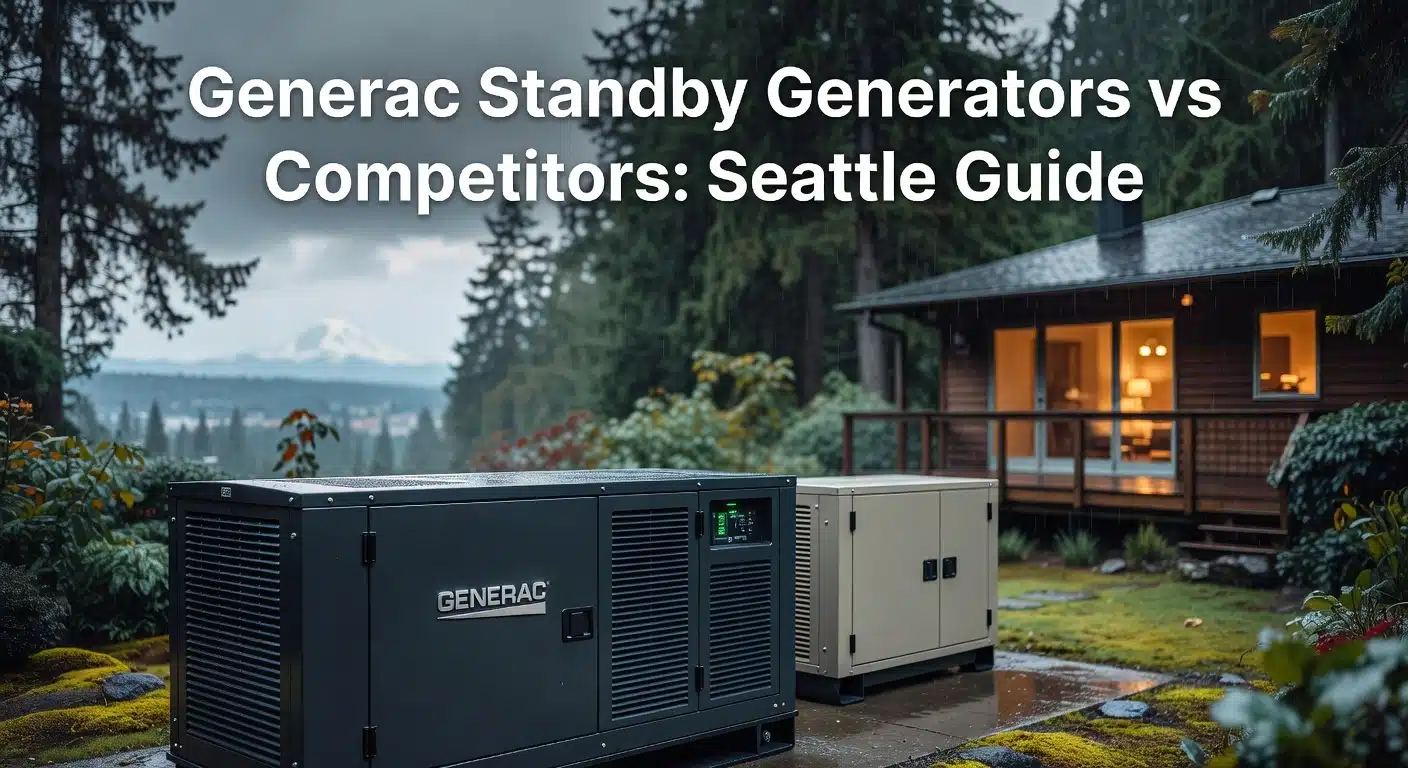
Generac Standby Generators vs Competitors: Seattle Guide

Imagine this: a fierce Pacific Northwest storm rolls into Seattle, winds howling, rain pounding, and suddenly the power cuts out. Your fridge hums to a stop, lights flicker off, and your home plunges into darkness. For many residents, these outages are not if, but when. In a city prone to winter gales and summer heat waves, reliable backup power is essential for safety, comfort, and peace of mind.

Enter the Generac standby generator, a powerhouse solution designed for seamless whole-home protection. As the leading name in standby generators, Generac sets the standard with automatic startup, quiet operation, and robust performance tailored to demanding climates like Seattle’s. But how does it stack up against competitors such as Kohler, Cummins, or Briggs & Stratton? This guide breaks it down for beginners, comparing key factors like reliability, fuel efficiency, installation costs, and local Seattle-specific considerations such as permitting and service availability.

By the end, you will know the strengths and weaknesses of each brand, which Generac models excel in our region, and how to choose the right standby generator for your home without getting overwhelmed. Stay powered up, Seattle, we have got the facts you need.

What Is a Generac Standby Generator?

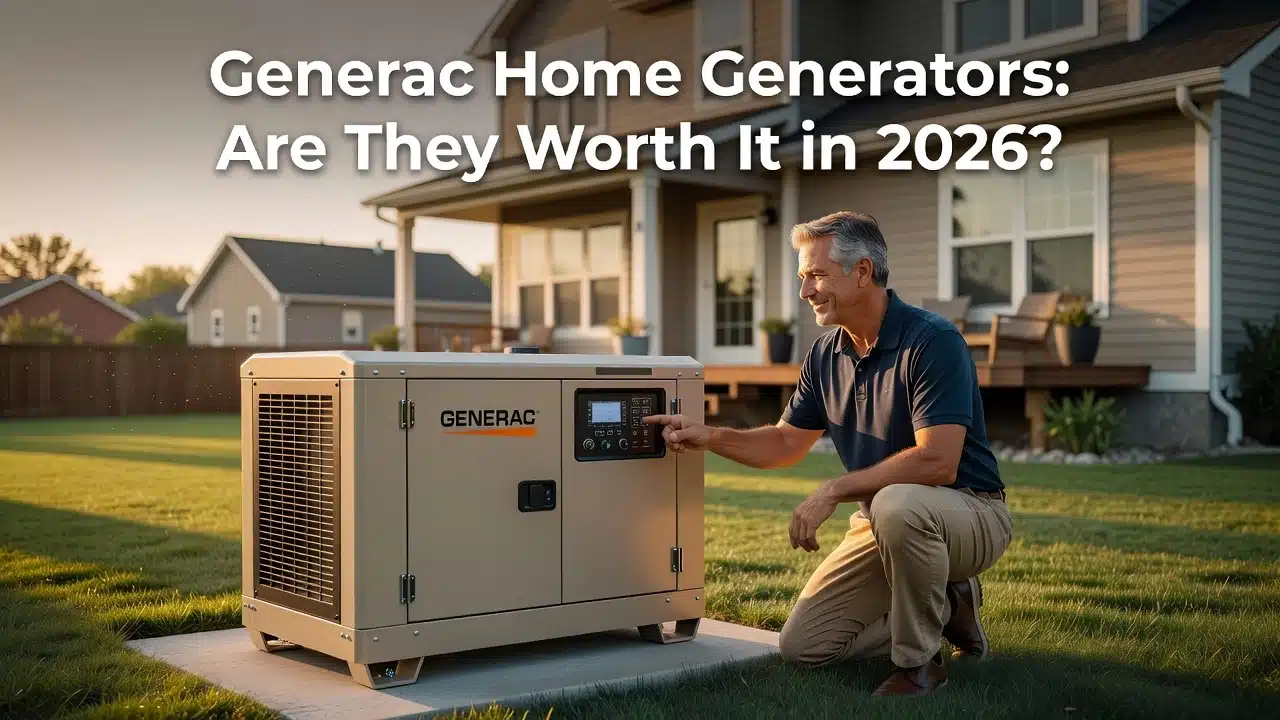
A Generac standby generator is a permanently installed backup power system designed specifically for homes, positioned outdoors much like a central air conditioning unit. Unlike portable generators, it automatically detects utility power outages from storms, grid failures, or equipment issues and starts within 10 to 30 seconds, often as quick as 10 seconds in most models. It runs seamlessly on your home’s natural gas or liquid propane supply, eliminating the need for manual startup, refueling, or messy extension cords. This ensures continuous power during extended blackouts, whether you are home or away. For Seattle-area homeowners facing frequent windstorms and atmospheric rivers, this reliability is crucial, especially with projections of potential rolling blackouts by 2026 due to rising energy demands from EVs and data centers.

Key Features and Model Comparisons

Generac’s Guardian Series features air-cooled engines, like the powerful G-Force 1000, making them efficient and affordable for whole-home backup without the complexity of liquid-cooled systems. Entry-level 10kW models excel at essentials: lights, refrigerators, sump pumps, and well pumps, with pros including lower upfront costs (around $4,000-$6,000 installed) and compact footprints ideal for smaller Bothell homes. In contrast, top-tier 28kW units (e.g., model 7282) handle full loads up to HVAC systems, large appliances, and electronics, offering 25kW on natural gas for comprehensive coverage in bigger Seattle residences. These higher-output models provide quieter operation at 60-70 dB, Wi-Fi or cellular Mobile Link monitoring for real-time alerts, and integration with smart thermostats or PWRcell batteries. Weatherproof aluminum enclosures with sloped roofs resist snow, ice, and winds up to 150 mph, perfect for Pacific Northwest storms. A key pro of air-cooled designs is their 15-20 year lifespan with proper maintenance; cons include needing a licensed electrician for installation on a concrete pad with gas lines and transfer switches.

Market Leadership and Seattle Relevance

Generac dominates with 70-75% of the North American residential standby generator market, as noted in PESTEL analyses and The Last Bear Standing reports, driven by innovations like inventing the automatic home standby category. This leadership ensures robust 5-10 year warranties and 24/7 support. In Seattle, where outages impacted 50,000+ customers during the 2024 cold snap, these units shine with no-refueling operation and cold-weather kits for sub-freezing starts. Actionable insight: Assess your home’s load via Generac’s online calculator, then consult pros like Mauro Electric Inc., Bothell’s authorized dealer since 1998, for efficient setup.

For official details on residential models, explore Generac home standby generators, FAQs, and the 28kW model. As grid instability grows, investing in the right size delivers peace of mind.

Key Features and Benefits of Generac Models

Generac standby generators offer a range of models tailored to different home sizes and needs, from compact 10kW units for essentials like lights and refrigerators to powerful 28kW options for full-home coverage including multiple air conditioners. The Guardian series provides reliable baseline performance, while the newer Next Generation (Next Gen) lineup introduces advanced features like enhanced controllers and quieter operation. For beginners, choosing between these depends on your home’s square footage and power demands; a 14kW model suits 2,500 sq ft homes, powering HVAC and appliances, whereas the 28kW excels for 4,000+ sq ft properties with high loads. All models share core strengths such as automatic startup in 10-30 seconds on natural gas or propane, but Next Gen adds Bluetooth for easier setup. Mauro Electric Inc., your trusted Bothell electrician since 1998, ensures professional installation on a concrete pad with transfer switch integration for seamless operation.

Wi-Fi Mobile Link for Remote Monitoring

The Wi-Fi Mobile Link, standard on Next Gen models and optional on Guardian, transforms maintenance into a hands-off experience via a free app for iOS and Android. Users receive real-time push notifications for outages, low fuel, or battery issues, plus editable exercise schedules to optimize performance. Maintenance alerts remind you of oil changes or filter replacements, often with remote diagnostics that speed up service calls. Track runtime history and propane levels with the optional Fuel Monitor accessory. For Seattle homeowners facing storm outages, this feature prevents surprises; one user reported resolving a sensor alert remotely before a cold snap hit. Learn more about Wi-Fi monitoring. Actionable tip: Upgrade to cellular for $30-100 yearly for outage-proof connectivity.

Quiet Operation at 60-70 dB

Noise levels across Generac models stay residential-friendly at 60-70 dB from 23 feet, akin to a normal conversation. Smaller 10-14kW Guardians hit 61-66 dB, ideal for tight lots, while 22-28kW Next Gen units reach 65-70 dB but feature Quiet-Test mode, running self-tests at low RPM to cut noise and fuel use by 40%. This sloped, weatherproof enclosure sheds snow, perfect for PNW winters. Compare use cases: In quiet Bothell neighborhoods, a 22kW model powers a family home without disturbing sleep, unlike louder portables. Data shows these levels comply with HOA rules, ensuring neighbor approval.

2025 28kW Air-Cooled Innovation

The 2025 Next Gen 28kW (e.g., model 7282) delivers 28kW on propane for larger homes, eliminating liquid cooling needs and fitting standard footprints. Its Power Zone 200 controller includes Wi-Fi and cold-weather kits for reliable starts down to -20°F. Discover Next Gen updates. Paired with True Power Technology (<5% THD), it safeguards electronics during blackouts projected for Seattle by 2026.

Seamless Integration and Reliability

Integrate with PWRcell 2 batteries for solar recharging, Level 2 EV chargers, and ecobee smart HVAC for load prioritization, creating a hybrid system with bottomless backup. Warranties span 5 years standard (parts/labor years 1-2), extendable to 10 years, backed by the Good Housekeeping Seal for proven 15-20 year lifespans. Mauro Electric handles setup and annual checks efficiently, maximizing ROI against outages costing $1,000+ daily in spoiled food and discomfort. For beginners, start with a load assessment to pick the right model.

Comparing Generac Standby Models: 10kW to 28kW

When selecting a Generac standby generator, understanding the power output differences between models is crucial for matching your home’s needs without overspending or underpowering. The 10kW to 16kW models excel for essential backup, powering critical appliances like your refrigerator (around 600W running, 2,200W startup), basic lighting (1-2kW total), and sump pump (800-2,000W), which are vital during Seattle’s frequent rainy seasons and storm outages. These units deliver 9-16kW on natural gas or slightly higher on propane, covering 40-60% of a typical home’s load while running quietly at 65-70 dB. In contrast, 20kW to 28kW models handle whole-home demands, including a 3-5 ton central air conditioner (5kW running, up to 20kW surge), well pump, electric oven, dryer, and even EV charger. With outputs of 18-28kW, they support 2,500+ square foot homes fully, ensuring comfort through extended outages from wildfires or grid strain. Beginners should prioritize these distinctions to avoid overloads during startup surges.

Side-by-Side Comparison Table

All Generac models feature air-cooled engines, dual-fuel capability (natural gas or liquid propane), Wi-Fi remote monitoring, and continuous runtime on natural gas or 2-7 days on a 500-gallon propane tank at half load. Prices reflect 2026 unit-only MSRPs; installation adds $4,000-$8,000.

Model ExamplePower Output (LP / NG kW)Fuel Consumption (Half/Full Load, est.)Fuel TypePrice Range (Unit Only)
10kW Guardian10 / 9LP: 0.97/1.48 gal/hr; NG: 101/127 ft³/hrNG/LP$4,000-$4,500
14kW Guardian14 / 12LP: 1.2/1.8 gal/hr; NG: 120/160 ft³/hrNG/LP$4,500-$5,500
22kW Guardian22 / 19.5LP: 2.0/3.3 gal/hr; NG: 170/260 ft³/hrNG/LP$6,000-$7,000
24kW Guardian24 / 21LP: 2.3/3.8 gal/hr; NG: 190/290 ft³/hrNG/LP$6,500-$7,500
26kW Guardian26 / 23LP: 2.5/4.0 gal/hr; NG: 200/310 ft³/hrNG/LP$7,000-$8,000
28kW Next Gen28 / 25LP: 2.23/3.97 gal/hr; NG: 182/297 ft³/hrNG/LP$8,500-$12,000

Data sourced from Generac residential standby generators.

Proper Sizing for Seattle Homes

To recommend the right size, start with Generac’s free home standby generator solution finder, inputting your square footage, appliances, and local factors like Seattle’s winter peaks (7-9AM/PM from electric heat and lights) or rainy sump demands. Average homes need 10-14kW for essentials, but whole-home setups require 22-28kW to cover 20-30% surges and electrification trends like EVs or heat pumps. Factor in potential rolling blackouts by 2026 from PNW energy gaps; a precise load calculation prevents issues. This market is booming, with Straits Research projecting growth to $9.6 billion by 2034 at a 6.6% CAGR, driven by outage risks.

For tailored assessments, contact Mauro Electric Inc., your Bothell experts since 1998. As an authorized Generac dealer, we perform custom load calculations, handle permits, concrete pads, and gas lines efficiently, ensuring on-time installation for Greater Seattle homes. Call 360-653-5300 or visit mauroelectricinc.com/generac-generator-service to get started.

Generac Standby vs Competitors Like Kohler

Market Share Dominance

Generac standby generators command a commanding 70-75% of the North American residential market, according to recent industry reports from sources like Global Market Insights and others tracking the sector’s growth to $6.6 billion in 2026. This lead stems from Generac’s extensive dealer network exceeding 7,000 locations, proprietary engines, and rapid innovation cycles that outpace rivals. Kohler, by contrast, captures a smaller 10-15% slice in residential standby units, emphasizing premium engineering over high-volume production. Briggs & Stratton and others fill the rest, but Generac’s scale ensures better parts availability and faster support. For Seattle homeowners facing potential rolling blackouts by 2026 due to grid strain from EVs and data centers, this market position translates to proven reliability during outages like the January 2024 cold snap affecting over 50,000 customers regionally. Beginners should note that higher market share often correlates with refined products tested across millions of installs.

Key Advantages of Generac Standby Generators

Generac excels with startup times as quick as 10 seconds via advanced automatic transfer switches, restoring power to essentials like HVAC, refrigerators, and lights before most outages register. Their Mobile Link app provides superior integration, offering free basic remote monitoring, premium diagnostics for $50 yearly, usage tracking, and maintenance alerts that surpass basic competitor apps. Higher-power air-cooled models, now up to 24-28kW in 2025 launches, power entire 3,000-5,000 square foot homes without needing liquid cooling, keeping costs at $5,500-$8,000 installed. Quiet operation at 67-72 dB, weatherproof enclosures, and 5-10 year warranties add value for Pacific Northwest storms and wildfires. Actionable insight: Use Generac’s online load calculator to match your home’s needs, ensuring efficient whole-home coverage without oversizing.

Trade-offs: Kohler Strengths and Drawbacks

While Kohler offers liquid-cooled options superior for extreme loads like simultaneous AC startups without voltage dips, these come at a premium with higher upfront costs of $7,000-$12,000 and fewer service points. Kohler units run quieter at 65-70 dB and require less frequent maintenance, around $200-400 yearly versus Generac’s $300-500 for bi-annual oil changes. However, Kohler maintenance can prove costlier long-term due to specialized parts, and their noisier perception in some older models persists despite improvements. Generac counters with broader affordability and app-driven diagnostics reducing downtime. For beginners, weigh your needs: Generac suits budget-conscious Seattle homes with standard loads; test noise levels locally during demos. Here’s a side-by-side:

FeatureGenerac (22kW)Kohler (20-26kW)
Price Installed$5,500-$8,000$7,000-$12,000
Noise (dB)67-7265-70
Maintenance/Year$300-500$200-400
CoolingAir (high power)Air/Liquid
App MonitoringAdvanced Mobile LinkBasic OnCue

Reliability and Expected Lifespan

Objectively, properly maintained Generac standby generators deliver 15-20 years of service on average, extending to 25-30 years or 10,000-30,000 hours with bi-annual checks, battery swaps every 2-3 years, and load management, per AH Generators data. Consumer Reports ranks Generac highly for trust, matching premium rivals in 2026 tests. Factors like Seattle’s mild climate boost longevity versus harsher regions. Run continuously up to 24 hours on natural gas or propane, then inspect for optimal performance.

Partner with Mauro Electric for Expert Installation

As an authorized Generac dealer since 1998, Mauro Electric Inc. in Bothell, WA, provides unbiased, specialized installs focused on Generac excellence, unlike multi-brand shops diluting expertise. Their team handles concrete pads, gas lines, transfer switches, and smart home integrations efficiently and on time, with free quotes and extended warranties. Serving Greater Seattle, they ensure your Generac standby generator arrives outage-ready amid rising PNW demand. Contact them today for a site assessment tailored to your home. Fortune Business Insights standby generator market report underscores the timely investment.

Professional Installation for Seattle Homes

Installing a Generac standby generator in your Seattle home demands professional expertise to ensure safety, code compliance, and optimal performance. Attempting a DIY approach risks voiding the warranty, electrical hazards, and costly rework, as these systems involve high-voltage wiring, fuel lines, and structural foundations. Key requirements include a reinforced concrete pad, an automatic transfer switch (ATS), and a dedicated gas line hookup, all handled by a licensed electrician like those at Mauro Electric Inc. The concrete pad must be 4-6 inches thick with 3,000-4,000 PSI strength and #4 rebar, poured on a gravel base with a 2% slope for Seattle’s rainy climate; it supports up to 2,000 PSF load and uses 3/8-5/8 inch expansion bolts torqued to 20-40 ft-lbs. The ATS, typically 100-200 amps in a NEMA 3R enclosure, switches power in 10-15 seconds via #2/0 AWG cables. Gas lines from Puget Sound Energy natural gas or a 500-1,000 gallon propane tank require pressure testing at 1.5 times operating pressure for 10-15 minutes, with shutoff valves and regulators. For full details, see Generac’s backup generator installation guide.

Step-by-Step Process with Mauro Electric Inc.

Mauro Electric Inc., serving Greater Seattle homeowners since 1998, streamlines installation for 10-28kW Generac models into 1-2 days of physical work after permitting. First, a free site survey assesses your load needs (e.g., HVAC starting watts plus 20-25% buffer) and selects a spot 5 feet from doors/windows and 18 inches from walls, avoiding flood zones. Permitting takes 4-6 weeks via Bothell’s MyBuildingPermit.com or WA L&I, costing $50-300, with Mauro handling submissions for 2023 NEC and 2021 IBC compliance. Site prep involves excavating, adding gravel, and curing the pad for 7-28 days. Then, mounting the generator, plumber gas hookup, ATS wiring per NEC 250, and commissioning with a 20-30 minute load test follow swiftly. Learn more from Mauro Electric’s whole-house installation page. Their Generac-certified team activates systems the next morning, minimizing downtime for Bothell families facing outages like the January 2024 cold snap affecting 50,000+ customers.

Local Factors and Seamless Integration

Bothell codes mandate 5-foot setbacks from openings, seismic bracing per ASCE 7, and noise under 70 dB, aligning with Seattle’s wet, stormy conditions and projected 2026 rolling blackouts from EV/data center demand. Mauro integrates your Generac with Level 2 EV chargers (e.g., 48A models) via Smart Management Modules that prioritize essentials during peaks, powering energy-efficient LED lighting and HVAC without overloads. For a 2,000 sq ft home, a 22kW unit handles fridge, lights, and ecobee smart thermostats effortlessly. Check Generac concrete mounting requirements for pad specs.

Mauro’s efficient service avoids common delays from poor planning, delivering on-time setups with a 1-year workmanship guarantee and 190+ 5-star reviews. Safety checks include grounding, torque verification, leak tests, and UL 2200 compliance, plus outage simulations. Smart home wiring adds Wi-Fi Mobile Link for app-based monitoring, maintenance alerts, and integration with 2026 Next Gen models’ fuel sensors, ensuring 15-20 years of reliable backup power. Homeowners gain peace of mind, powering through PNW storms seamlessly.

Costs, ROI, and Market Trends in 2026

Cost Breakdown: Generac Standby vs. Portable Generators

Investing in a Generac standby generator involves an upfront total cost of $10,000 to $25,000, including the unit and professional installation. For a typical 20-22 kW model suitable for most Seattle-area homes, expect $8,000 to $16,000 fully installed, averaging around $13,000. The generator unit itself ranges from $2,000 to $5,000 or more based on power output, while labor covers essentials like a concrete pad ($500-$2,000), automatic transfer switch and wiring ($1,500-$4,000), gas line connections ($1,000-$3,000), and permits ($500-$1,500). These costs reflect Pacific Northwest specifics, such as stricter building codes and higher labor rates. In contrast, portable generators cost $500 to $1,500 upfront plus $800 for safety interlocks, totaling under $3,000 initially. However, portables demand manual operation, constant refueling at $50-$100 per day, and annual maintenance around $100, leading to $1,000-$3,000 extra per major outage over time; standby units eliminate these hassles with automatic startup and 15-20 year lifespans under proper care.

ROI: Payback in Just 3-5 Years for PNW Homes

The return on investment for a Generac standby generator shines in outage-prone areas like Greater Seattle, where payback occurs in 3-5 years. A single extended outage costs households $500-$2,000 from spoiled food ($200-$500), hotel stays ($300 per night), lost wages ($100 daily), and repairs ($500+). Recent Pacific Northwest cold snaps and storms affected 50,000+ customers, with December 2025 events impacting over 333,000; projections warn of 1 GW shortfalls in 2026, escalating to 9 GW by 2030 due to EV and data center demand surges. At 2-3 outages annually totaling $2,000-$4,000 in losses, your $13,000 investment recoups quickly, plus benefits like 3-5% home value increases and 2-10% insurance discounts. Beyond payback, lifetime savings exceed $50,000 compared to repeated portable fuel and downtime expenses. Mauro Electric Inc. can crunch your personalized numbers based on local outage data.

2026 Market Projections: Explosive Growth Ahead

The standby generator market, valued at $12.08 billion in 2024, surges to $19.21 billion by 2032 per Fortune Business Insights, with 2026 estimates around $13.7 billion at a 6.94% CAGR. Residential demand drives this, fueled by PNW grid strains from 30% peak load growth via EVs, heat pumps, and data centers adding 5-10 GW. Climate events and aging infrastructure amplify needs, with higher-power air-cooled models (up to 28 kW) and smart integrations like Wi-Fi monitoring becoming standard. Generac leads the residential segment with 75-80% North American share, thanks to reliable, quiet operation (60-70 dB) and features like app-based diagnostics. For Bothell and Seattle homeowners, this trend underscores urgency amid elevated 2026 blackout risks.

Actionable Next Steps with Mauro Electric

Ready for your Generac standby generator? Mauro Electric Inc., your trusted Bothell electrician since 1998, offers free quotes tailored to Seattle homes, including ROI analysis, site assessments, and efficient on-time installs. Contact them at 360-653-5300 or via their Generac quote page for a no-obligation evaluation. Their expertise ensures seamless integration with your HVAC, lighting, and smart home setup, delivering peace of mind efficiently.

Why Generac Matters for Bothell and Seattle

Power Outages in Bothell and Seattle: A Growing Threat

The Greater Seattle area, including Bothell, faces escalating power reliability challenges that make a Generac standby generator essential for homeowners. In January 2024, a severe cold snap pushed electricity demand to record highs, nearly triggering rolling blackouts across Washington as utilities like Puget Sound Energy issued urgent conservation alerts. Low hydropower from drought, zero wind generation, and a gas storage outage forced heavy reliance on imports averaging 4,900 MW per hour to avert crisis. Reports from the Association of Washington Business (AWB) and Seattle Red project potential rolling blackouts by 2026 due to a 1,300 MW supply deficit, expanding to 8,600-8,700 MW by 2030 from surging demand driven by EVs, data centers, and AI. Storms like the November 2024 bomb cyclone knocked out power to over 114,000 Seattle City Light customers with 60 mph gusts downing lines, while February 2025 winter storms and June 2024 rains affected tens of thousands more. Wildfires, fueled by low snowpack and drought, further strain the grid, with outages impacting 50,000+ customers in recent events.

How Generac Standby Generators Protect Your Home

Without backup power, these outages lead to spoiled food in refrigerators and freezers, costing families $500 or more per incident since utilities do not reimburse for weather-related spoilage. HVAC systems fail, risking frozen pipes and health dangers during multi-day cold snaps when temperatures plummet. A Generac standby generator changes this equation with automatic detection and startup in 10-30 seconds, powering essentials like fridges, furnaces, lights, and medical devices on reliable natural gas or propane without manual intervention or refueling. For extended outages, these units run for weeks, as detailed in Generac’s guide to prolonged operation. Compared to going without power, the investment delivers rapid ROI by avoiding cumulative losses from food waste, hotel stays, and lost productivity.

Mauro Electric’s Proven Track Record

Mauro Electric Inc., a family-owned electrician in Bothell since 1998, brings over 28 years of expertise installing Generac standby generators across Greater Seattle, including Snohomish, King, Island, and Skagit counties. Their Generac-certified team handles everything from concrete pad setup and gas line connections to transfer switches and smart home integration, ensuring code-compliant, efficient installations completed on time. With 190+ glowing online reviews, they prioritize seamless service, offering free quotes, financing, and extended 10-year warranties.

Smart Trends Addressing 2026 Grid Instability

Looking ahead, Generac standby generators lead with Wi-Fi monitoring, app-based alerts, and integration with solar batteries or EVs for resilient ecosystems amid PNW shortages. New 28kW air-cooled models and AI-optimized diagnostics minimize downtime as demand rises 30% by 2035.

Customer Testimonials: Power Without Worry

Local clients rave about reliability. “The procedure went smoothly; we are all set for power outages!” says Nancy M. Butch adds, “From start to finish great install; system fired right up.” Tim G. notes, “On time, completed in one day.” Contact Mauro Electric at (360) 653-5300 for your protection.

Maintenance and Long-Term Reliability

Annual Service Requirements

Maintaining your Generac standby generator starts with annual professional service to ensure peak performance during outages. Generac recommends yearly inspections, often signaled by a yellow maintenance light on models like the 10-28kW Next Generation or Guardian series. Key tasks include changing the oil with Generac 5W-20 full synthetic, replacing the oil filter, and checking air and fuel filters using maintenance kits like the 6485 for larger units. The process also covers inspecting the battery, fuel lines for leaks, and corrosion on the enclosure. Crucially, the Mobile Link app provides real-time alerts for issues like low fuel pressure from regulators or propane tank levels, sending texts or emails to prevent surprises. Homeowners in Bothell and Seattle benefit from this, as frequent storms demand reliable readiness; skipping service can void warranties and lead to failures.

Long-Term Lifespan Expectations

With proper care, a Generac standby generator delivers 15-20 years of service, or up to 2,000-3,000 hours of runtime. This longevity stems from air-cooled designs, weekly self-tests that accumulate minimal hours, and professional upkeep. For instance, units in the Pacific Northwest, facing cold snaps and grid strain, last longer when serviced annually rather than every two years. Data from dealer reports shows well-maintained models outperform neglected ones by avoiding common failures like oil degradation in sub-40°F winters. Factors such as initial professional installation on a concrete pad and integration with natural gas lines further extend life. Expect this lifespan for 10kW essentials models or 28kW whole-home units alike.

Mauro Electric’s Maintenance Plans

Mauro Electric Inc., your trusted Bothell electrician since 1998, offers tailored maintenance plans to safeguard warranties and performance. Their certified Generac service includes annual tune-ups starting at $175-300, covering all checks to comply with the standard 5-year/2,000-hour limited warranty. Plans ensure app-monitored diagnostics reduce downtime, with same-day responses for Greater Seattle homes. As an authorized dealer, they handle claims efficiently, integrating service with your EV chargers or HVAC systems.

Practical Tips for Homeowners

Run weekly self-tests (12-30 minutes under load) via the factory setting and monitor via Mobile Link for alarms. For winter prep in Seattle, clear 3 feet of snow, replace the air filter and battery (every 3-5 years), check spark plugs, and stock synthetic oil. Inspect the sediment trap and use fuel monitors for propane. These steps, combined with Mauro Electric’s plans, keep your generator outage-ready.

Key Takeaways: Secure Your Home with Generac

Generac standby generators dominate the residential backup power market with a 70-75% share in North America, underscoring their unmatched reliability and innovation for homeowners new to whole-home protection. For beginners, models from 10kW to 28kW offer scalable power that automatically kicks in within 10-30 seconds during outages, powering essentials like lights, refrigerators, and HVAC systems without manual refueling on natural gas or propane. Compared to portable options, Generac units provide quieter operation at 60-70 dB, Wi-Fi remote monitoring via Mobile Link for real-time alerts, and weatherproof enclosures built to last 15-20 years with proper maintenance. These features eliminate common beginner pitfalls, such as fuel storage hassles or noisy runtime, ensuring seamless integration into Seattle homes facing storm-induced blackouts.

Actionable Steps to Get Started

Begin by using Generac’s free online load calculator to assess your home’s power needs, inputting appliances like your fridge (600-800W) or AC unit (3,000-5,000W) for a precise model recommendation. Contact Mauro Electric Inc., your trusted Bothell electrician and authorized Generac installer since 1998, for a complimentary quote tailored to Greater Seattle properties. Bundle your Generac standby generator installation with our EV charging stations or HVAC services for maximum efficiency; this synergy optimizes energy use, supports smart home setups, and qualifies for potential rebates.

Prepare Now for 2026 Grid Challenges

Projections indicate potential rolling blackouts in the PNW by 2026 due to surging demand from EVs, data centers, and climate events, following incidents like the January 2024 cold snap affecting over 50,000 customers. Installing today via Mauro Electric guarantees on-time completion, code-compliant setup on a concrete pad with transfer switch, and peace of mind before disruptions escalate. The global standby generator market, valued at $12.08 billion in 2024, is surging to $19.21 billion by 2032, reflecting this urgent need.

Schedule your consultation at mauroelectricinc.com today. Our team delivers efficient, professional service to secure your home reliably.

Conclusion

In summary, Generac standby generators surpass competitors like Kohler, Cummins, and Briggs & Stratton with unmatched reliability, superior fuel efficiency, and quiet, automatic operation ideal for Seattle’s unpredictable storms. They also excel in local permitting ease and widespread service availability, minimizing installation hassles and long-term costs. This guide delivers clear insights to help Seattle homeowners select the right whole-home backup power.

Do not wait for the next power outage to disrupt your life. Contact a certified Generac dealer today for a free site assessment and personalized quote. Embrace the security of Generac, and power through any storm with confidence. Your family’s safety and comfort start now.

Author
Ricky Mauro

Ricky Mauro is a licensed Washington master electrician and owner of Mauro Electric Inc. He has been serving the north Seattle and Snohomish community for over 20 years, and specializes in Generac generators and breaker box upgrades.

SHARE THIS POST: