If you’ve lived in Snohomish County for more than a year or two, you already know the pattern: a windstorm rolls through, trees come down on power lines, and thousands of homes lose power — sometimes for a few hours, sometimes for days. Being prepared isn’t about paranoia; it’s about making sure an outage is an inconvenience rather than a genuine hardship.

Know Your Electrical Panel
Every homeowner should know where their electrical panel is located and how to safely reset a tripped breaker. During and after storms, breakers can trip due to power surges when service is restored, and knowing how to handle this safely — without guessing or forcing anything — is a basic but important skill.
Build a Basic Outage Kit
Beyond flashlights and batteries, a solid outage kit includes a battery-powered or hand-crank radio for emergency updates, a portable phone charger, non-perishable food, and a plan for keeping refrigerated items cold if the outage extends beyond a few hours. None of this requires an electrician, but it’s the foundation everything else builds on.
Understand Portable Generator Limitations
Many households turn to portable generators during outages, and while they can help in a pinch, they come with real limitations and real risks. Portable generators must be run outdoors, well away from windows and doors, due to carbon monoxide risk. They typically can’t power a whole home — usually just a handful of circuits — and connecting one improperly (such as backfeeding through an outlet) can be extremely dangerous, both to your household and to utility workers on the line. If you’re relying on a portable generator regularly, it’s worth having an electrician install a proper transfer switch rather than improvising a connection.
Consider a Whole-Home Standby Generator
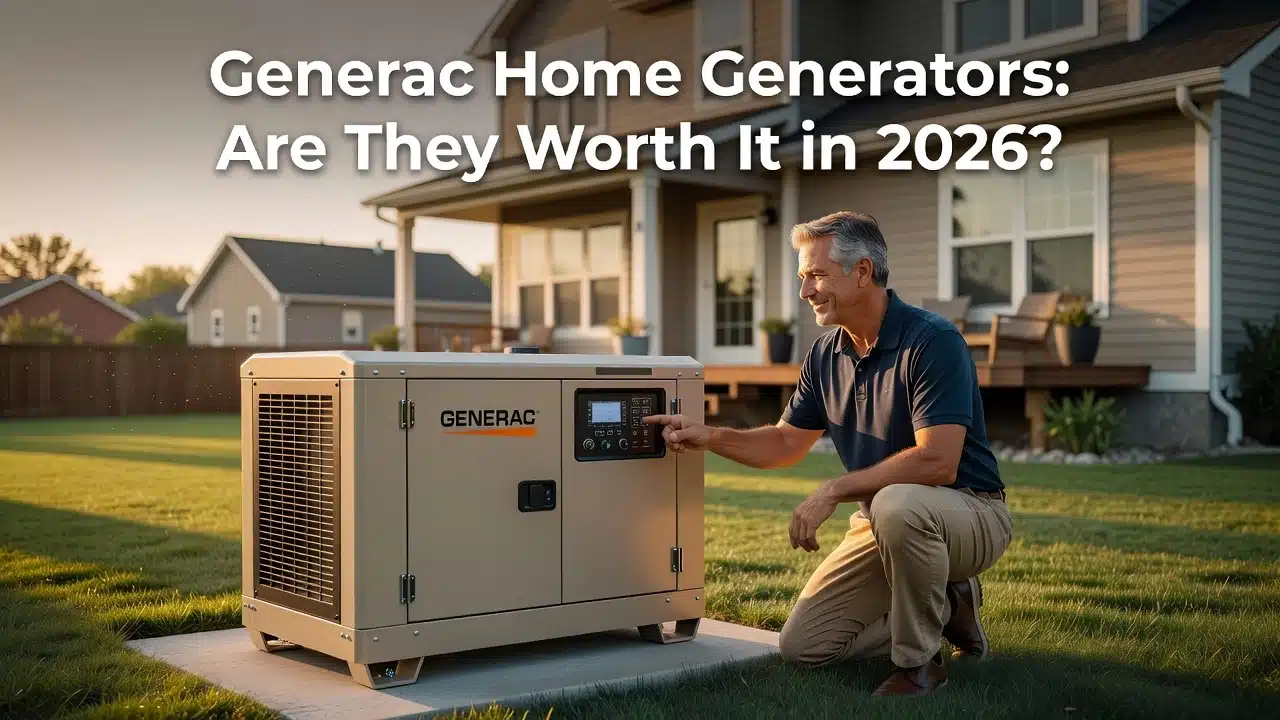
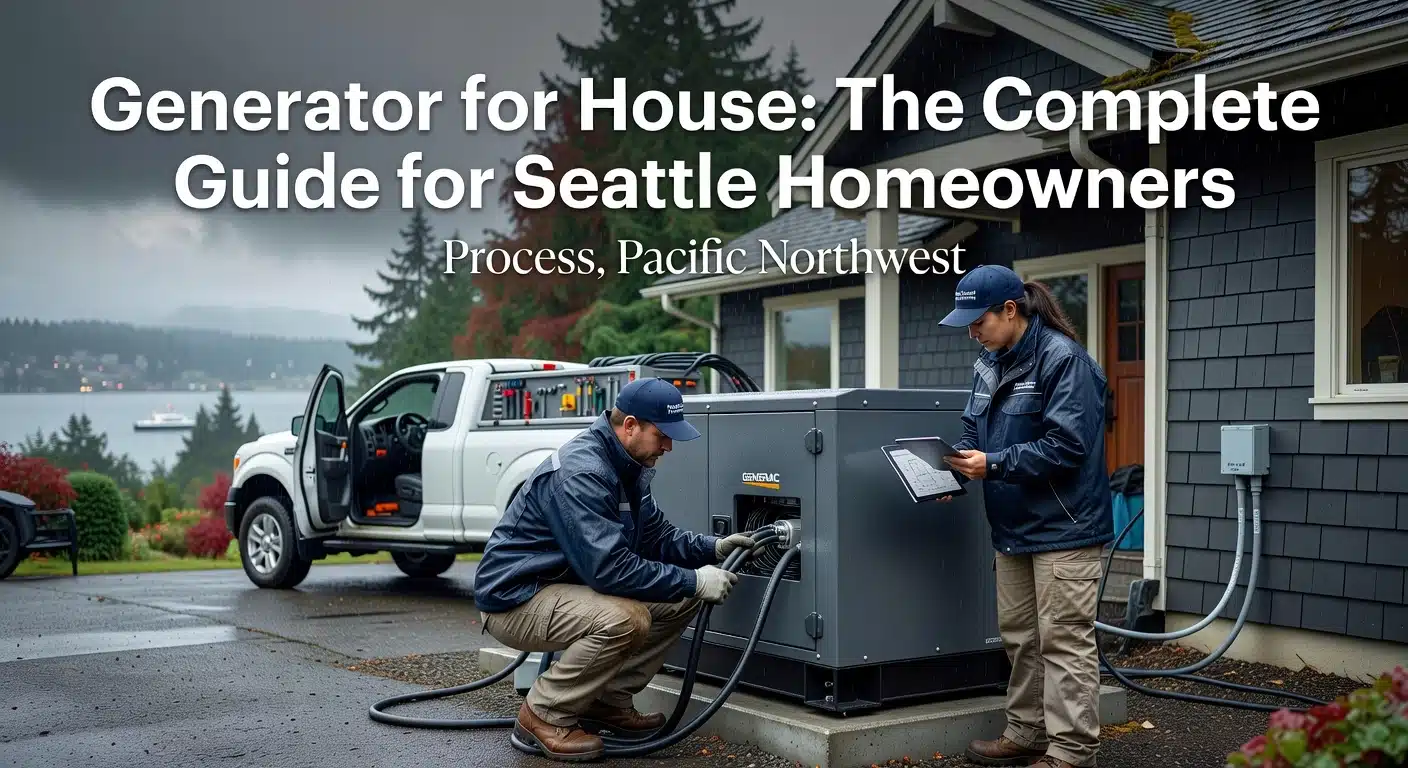
For homeowners who experience frequent or extended outages, a standby generator is a more permanent solution. Unlike a portable unit, it’s professionally installed, runs on natural gas or propane, and switches on automatically within seconds of losing utility power — no manual setup required during the outage itself. We’ve covered the full installation process in detail in our Generac generator walkthrough, which is worth reviewing if you’re on the fence about whether it’s the right investment for your household.
Have Your Panel Evaluated Before Storm Season
One often-overlooked step is having a licensed electrician evaluate your panel’s overall readiness before storm season hits — not after the first outage of the year. An aging panel, insufficient capacity, or existing wiring issues can all complicate outage response, and catching these problems in advance is far less stressful than discovering them during an emergency.
Learn How to Use Your Generator Safely
If you already have a generator, whether portable or standby, understanding how to operate it safely is just as important as having it installed correctly. We’ve put together guidance on how to use a generator safely, covering everything from startup procedures to what to avoid.
We’re Here for Snohomish County
As a Snohomish-area electrician, we see the impact of storm season firsthand every year. Whether you need a panel evaluated, a generator installed, or just want a second opinion on your current outage preparedness, our team is available to help homeowners plan ahead rather than scramble during the next storm.
Keywords: