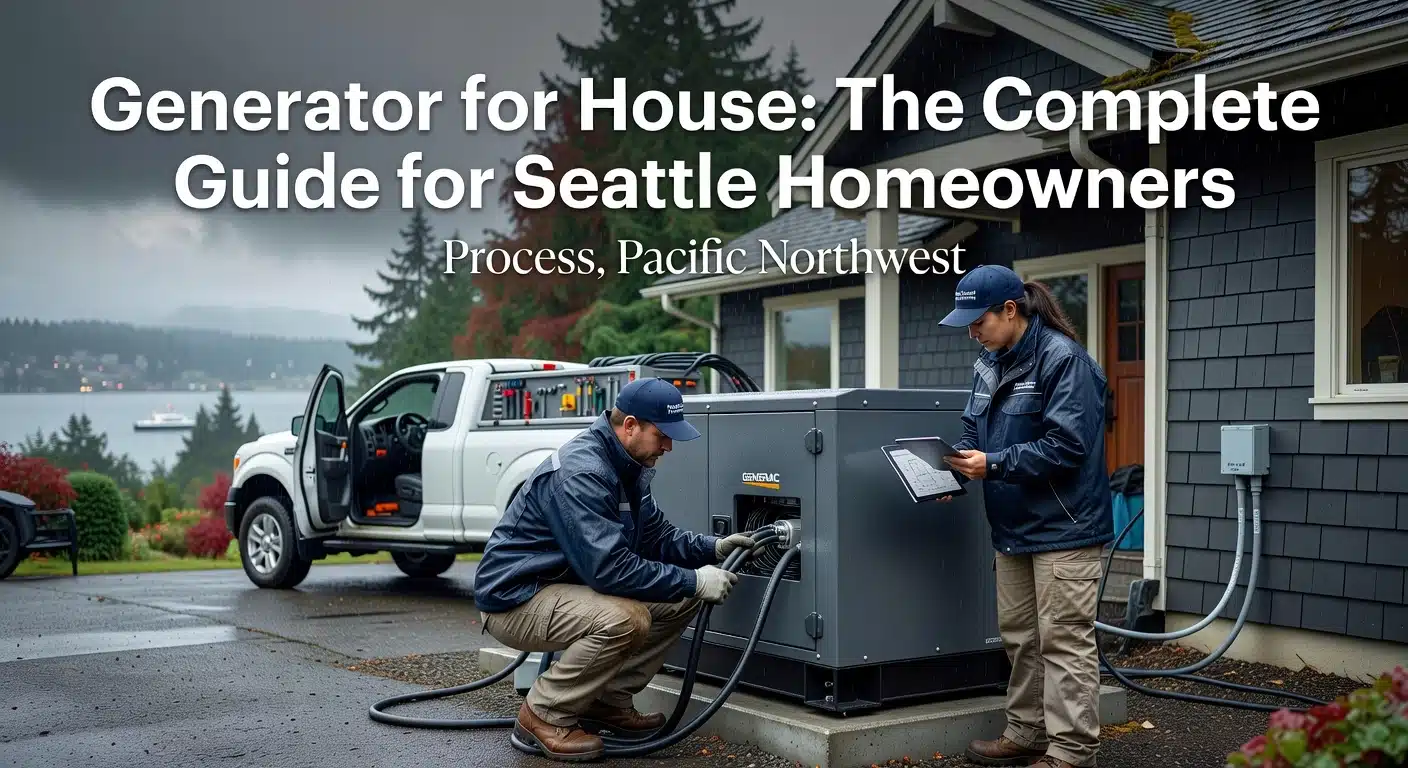
Power outages are a fact of life in the Pacific Northwest. Between winter windstorms and the occasional summer heat event straining the grid, homeowners across Snohomish and King County have learned that reliable backup power isn’t a luxury — it’s peace of mind. If you’re considering a whole-home standby generator, here’s what the installation process actually looks like from start to finish.

Step 1: In-Home Evaluation
The process starts with an on-site evaluation, not a phone estimate. A qualified electrician needs to assess your home’s electrical load, your panel’s current capacity, and your specific power needs — do you want to run your entire home seamlessly, or just the essentials like refrigeration, heat, and a few key circuits? This determines what size generator makes sense for your household.
Step 2: Fuel Source Assessment
Standby generators typically run on natural gas, propane, or diesel. If you already have a natural gas line to your home, that’s often the simplest and most cost-effective option. If not, a propane tank setup may be required, which adds another layer of planning — including sizing the tank appropriately for your generator’s runtime needs. This step alone can significantly affect the overall cost and timeline of the project, so it’s worth getting a clear answer from your electrician early on.
Step 3: Generator and Transfer Switch Installation
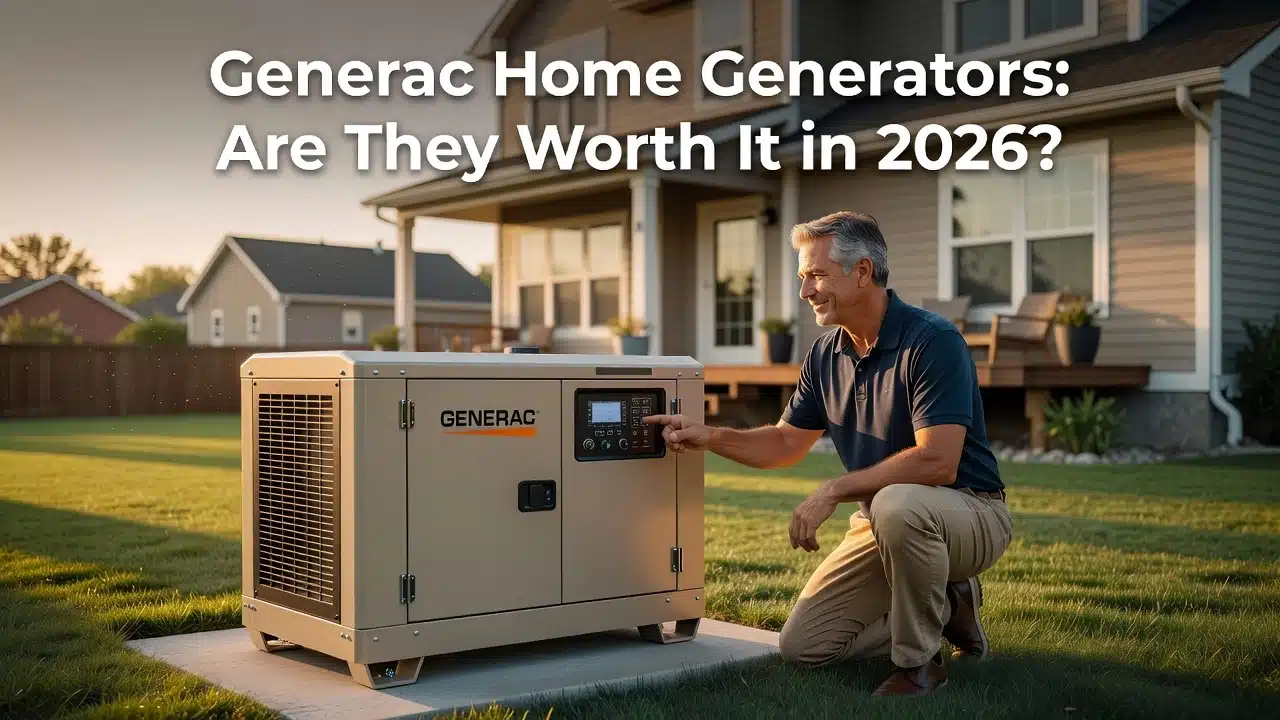
Once the generator model and fuel source are finalized, installation begins. This includes placing and securing the generator unit itself, typically outside the home, and installing an automatic transfer switch — the component that detects a power outage and switches your home’s electrical load from the grid to the generator automatically, without you having to flip a single switch.
Step 4: Permitting
Generator installations almost always require a permit, given the electrical work involved in tying the unit into your home’s system. As with any permitted job, this means a local inspector will review the installation before final sign-off, confirming everything meets code and was installed safely.
Step 5: Inspection and Final Walkthrough
Once the installation passes inspection, your electrician should walk you through how the system works — how to test it periodically, what maintenance it needs, and what to expect the first time it actually kicks in during an outage.
Why Working With an Authorized Dealer Matters
Not every electrician who installs generators has factory training on the specific equipment they’re working with. As a Generac Authorized Dealer serving Bothell, our team has been trained directly on Generac’s product line, which supports proper installation, warranty coverage, and long-term service. A generator is a significant investment — often ranging from $8,000 to $25,000 or more depending on size and scope — and it deserves an installer with manufacturer-level expertise rather than someone squeezing it in between unrelated jobs.
Getting Started
If you’re ready to explore your options, you can request a generator quote directly, or learn more about who installs Generac generators near you. We also offer financing options for homeowners who want to spread the investment out over time rather than paying the full cost upfront.
A properly installed standby generator isn’t just about convenience during a storm — it’s about protecting your home, your food, your medical equipment if applicable, and your peace of mind every time the power flickers.
Keywords: