When your heating or cooling system breaks down on a sweltering summer afternoon or a freezing winter night, the last thing you want is to be left scrambling for answers. Whether you are a first-time homeowner or simply unfamiliar with home systems, understanding the basics of HVAC repair can save you time, money, and a whole lot of stress.
Living in Bothell and the greater Seattle area comes with its own set of climate challenges. From damp, chilly winters to warm summer months, your HVAC system works hard year-round to keep your home comfortable. Knowing when something is wrong and what steps to take next is essential for every homeowner in this region.
In this guide, we have put together a straightforward list of everything you need to know about HVAC repair in Bothell and the surrounding Seattle communities. You will learn how to spot common warning signs, understand when to call a professional, and discover what to expect during the repair process. Let this be your go-to starting point for keeping your home comfortable all year long.
Common HVAC Repairs Bothell and Seattle Homeowners Need
When your home suddenly has no heat on a cold Bothell morning, your AC pushes warm air during a Seattle summer, or you hear grinding and banging coming from your unit, something has gone wrong inside your HVAC system. These everyday symptoms point to real mechanical or electrical faults that require prompt, professional attention. Nationally, HVAC repairs per organization rose 64.7% from 2022 to 2025, reflecting aging systems across American homes, including those throughout the Greater Seattle area. Many of these systems, installed during the mid-2000s housing boom, are now reaching the end of their service life.
The repair categories covered in this guide include no-heat failures, cooling problems, strange noises, poor airflow, drain issues, short-cycling, high energy bills, and electrical faults. Each one warrants professional service rather than a DIY attempt because they involve high-voltage wiring, EPA-regulated refrigerants, precise diagnostics, and local code compliance. Attempting these repairs without proper training risks voided warranties, safety hazards, and higher long-term costs.
For homeowners dealing with AC and heating issues in Bothell, coordinating separate contractors for electrical and HVAC work adds unnecessary delays and expense. Mauro Electric handles every repair type listed here under one roof, combining licensed electrical expertise with comprehensive HVAC service, so your home comfort is restored efficiently and on time.
Furnace Not Heating
A furnace that runs but never actually warms your home is one of the most frustrating and potentially dangerous problems a homeowner can face. Before you know any technical terminology, you will likely notice the symptoms first: the system clicks and hums but no warm air follows, the unit turns on and off repeatedly without heating the space, or the furnace shuts down just minutes after starting. These recognizable patterns often point to four common culprits. A failed igniter causes the furnace to attempt startup with clicking sounds but never produce heat. A dirty flame sensor makes the burner light briefly, then cut out within seconds. A tripped high-limit switch, frequently triggered by a clogged air filter or blocked vent, causes the short on-and-off cycling homeowners find so confusing. A faulty or cracked heat exchanger can cause overheating shutdowns and, more seriously, dangerous gas leaks.
Ignoring a furnace that short-cycles without producing heat is never a safe option, especially in the tightly sealed, energy-efficient homes common throughout the Pacific Northwest. Each unnecessary cycle accelerates wear on the blower motor, igniter, and control board, turning a straightforward repair into a costly replacement. Beyond repair expenses, the carbon monoxide risk is serious. A cracked heat exchanger or venting issue can silently leak CO into a well-sealed home where poor ventilation allows the odorless gas to build up rapidly. Working CO detectors on every floor are essential, and any symptoms such as headaches or dizziness near the furnace should prompt an immediate call to a professional.
What many homeowners do not realize is that a significant number of furnace failures trace directly back to electrical problems. Wiring faults, failed control boards, and overloaded circuits can prevent an igniter from firing or a blower from running properly, mimicking what looks like a purely mechanical issue. This is where Mauro Electric’s combined electrical and HVAC expertise makes a real difference; technicians can test voltage, continuity, and board functions alongside combustion and airflow diagnostics, delivering a faster and more complete diagnosis in a single visit. For homeowners in Everett and Bothell searching for a trusted local name, Mauro Electric has been providing furnace repair and HVAC services in the area since 1998, giving residents a reliable, one-stop resource when heating problems arise.
AC and Heat Pump Not Cooling
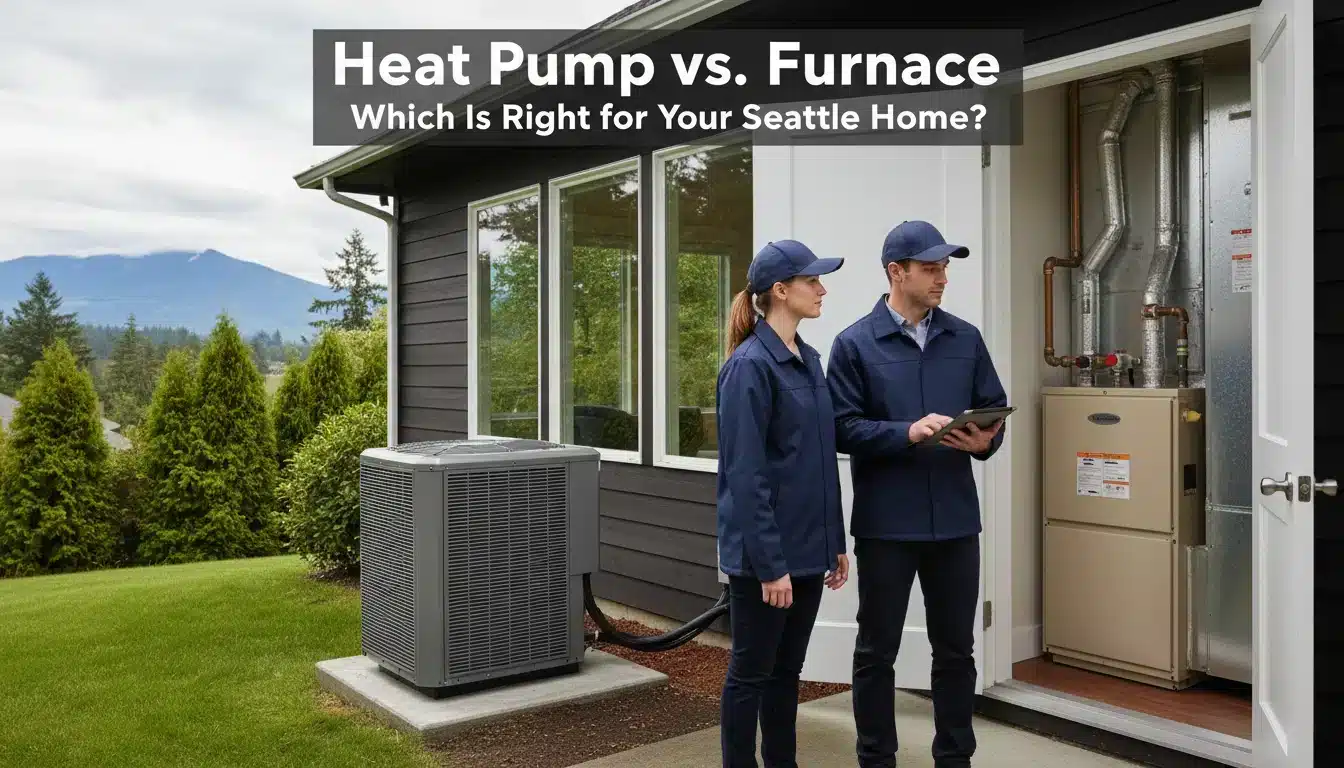
When your AC or heat pump stops cooling, four culprits account for the majority of service calls: low refrigerant, a failed capacitor, a frozen evaporator coil, and dirty condenser coils. Low refrigerant is almost always caused by a leak somewhere in the system. Rather than simply topping off the charge, a licensed technician must locate and repair the leak before recharging, otherwise the problem returns within weeks. A failed capacitor prevents the compressor or fan motors from starting properly, often producing a humming sound while delivering zero cooling. Frozen evaporator coils typically result from restricted airflow or low refrigerant, and the system must be shut down to thaw before the root cause can be addressed. Dirty condenser coils, located in your outdoor unit, block heat transfer and force the system to work harder until it simply cannot keep up.
For Bothell-area homeowners, heat pumps add an extra layer of relevance. Washington State’s mild climate makes heat pumps exceptionally efficient year-round, and generous utility rebates from providers like Puget Sound Energy and Seattle City Light have accelerated installations significantly. Many households now depend on their heat pump as the sole source of heating and cooling, meaning a no-cooling fault affects comfort in every season, not just summer.
Heat pump repairs in older Bothell and Seattle homes frequently uncover an electrical issue alongside the mechanical one. Aging 100-amp panels often lack the dedicated 208-240V circuit a heat pump requires. Mauro Electric handles both the HVAC repair and any necessary circuit or panel upgrades in a single visit, eliminating the need to coordinate a second contractor. The Seattle-area average HVAC repair cost runs approximately $389, with heat pump repairs landing mid-range depending on whether the fault is mechanical, such as a capacitor replacement, or involves more complex electrical or refrigerant work.
Strange Noises Coming From Your HVAC System
Your HVAC system communicates problems through sound, and learning to interpret those sounds can save you hundreds of dollars. Here is a plain-language guide to the three most common warning noises and what each one means.
Banging or clanking typically points to a loose or broken blower component, such as a fan blade, motor mount, or connecting rod that has come free inside the unit. When metal strikes metal repeatedly, the damage compounds with every cycle. Squealing or screeching usually means a worn belt or failing motor bearing; friction builds as the component degrades until it stops working entirely. Clicking at startup or shutdown is the most electrically significant sound on this list. While a single click when the system turns on or off is normal, persistent or repeated clicking often signals a faulty relay, bad capacitor, loose wiring, or a failing control board.
Dismissing these sounds is a costly mistake. A rattling blower motor that needs a simple tightening or lubrication costs around $150 to address. Left alone, that same motor can fail completely, pushing the repair bill to $600 or more for a full replacement. Minor problems become major ones quickly when ignored.
Clicking deserves special attention because it is frequently an early indicator of an electrical fault buried inside the HVAC system. Diagnosing it accurately requires both HVAC and electrical knowledge, which is exactly why Mauro Electric’s dual expertise in electrical and HVAC repair makes such a practical difference. A technician who understands wiring, relays, and control boards alongside mechanical components can pinpoint the root cause in a single visit rather than guessing.
When you call for service, note three things: when the noise happens (startup, steady operation, or shutdown), where it seems to come from (indoor air handler, outdoor condenser, or a vent), and any other symptoms like reduced airflow or error codes on the thermostat. This detail speeds up diagnosis and reduces your total service time significantly.
Poor Airflow and Ventilation Problems
Weak or uneven airflow is one of the most common complaints Bothell homeowners bring to HVAC technicians, and the causes are usually straightforward once you know what to look for. The four most frequent sources of restricted airflow are clogged air filters, blocked or collapsed ductwork, a failing blower motor, and a damper stuck in the closed position. Dirty filters alone account for the majority of weak airflow service calls, since a filter packed with dust and debris chokes the system’s ability to move conditioned air through your home.
The consequences reach further than simple discomfort. Poor airflow forces your system to run longer cycles to hit the thermostat’s target temperature, which drives up utility bills and puts excessive strain on the blower motor and heat exchanger. You will also notice uneven temperatures from room to room, with some spaces stuffy and others staying cool regardless of your settings.
Blower motor failures deserve special attention because they are often electrical problems at their core. Faulty wiring, a worn capacitor, or a failed motor control board can all prevent the blower from operating correctly. These are precisely the components that fall within Mauro Electric’s 25-plus years of residential electrical expertise, making them well-equipped to diagnose and resolve these failures efficiently.
The simplest preventive step you can take between professional visits is changing your air filter every one to three months. Homes with pets or allergy sufferers should lean toward the shorter end of that range. This single habit preserves airflow, protects equipment, and keeps your energy costs in check throughout the year.
Electrical Faults: Tripped Breakers and Wiring Problems
Electrical faults represent the one repair category where Mauro Electric’s 25+ years of electrical expertise delivers a distinct, practical advantage for homeowners. Most HVAC-only companies lack in-house electrical licensing, which means they must subcontract wiring issues to a separate electrician. That arrangement adds scheduling delays, coordination headaches, and extra labor costs to what could be a straightforward repair. Mauro Electric’s dual-licensed technicians handle both the mechanical and electrical sides of your system in a single visit, keeping your project on time and your costs predictable.
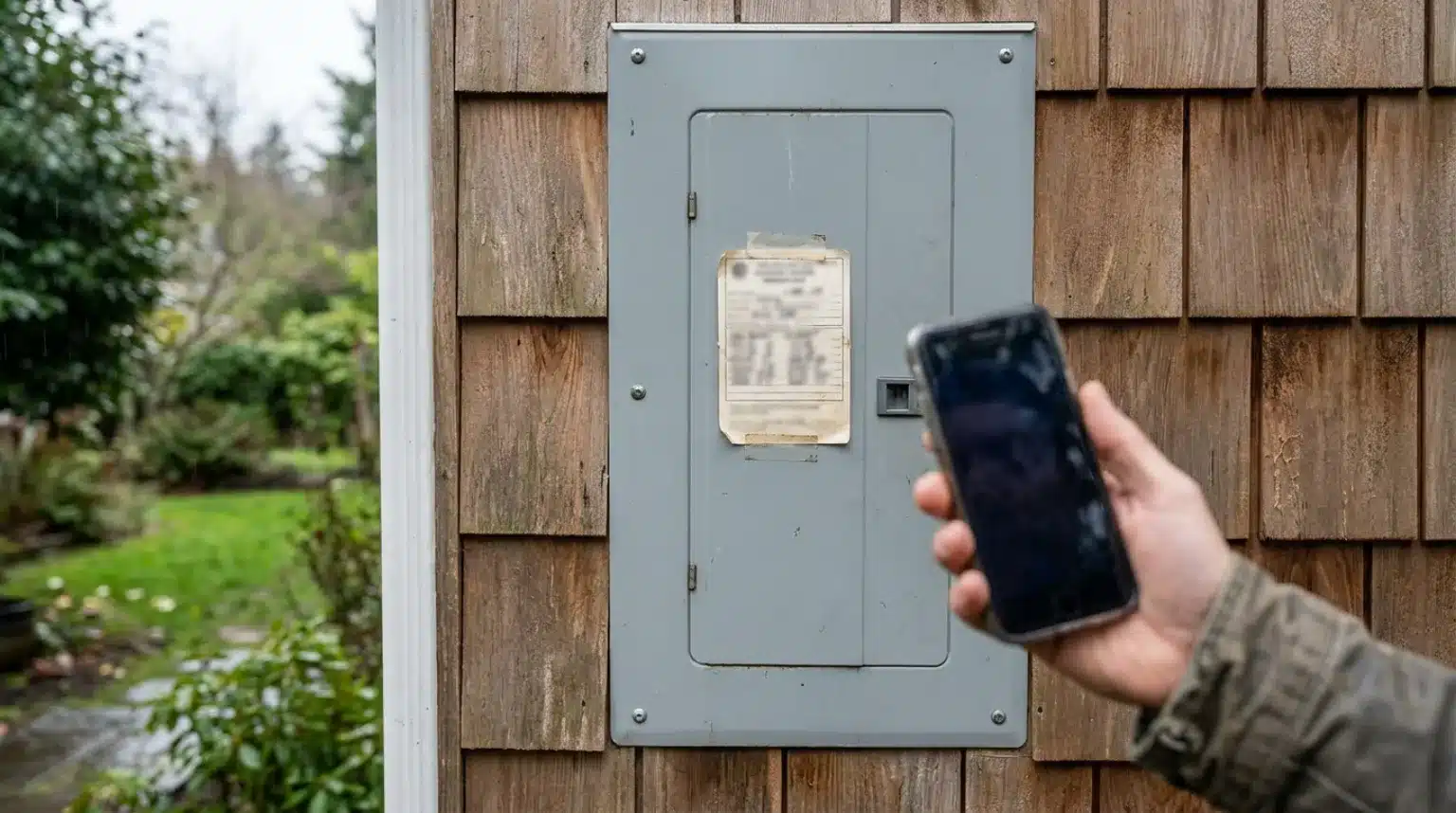
The four most common electrical HVAC faults follow a recognizable pattern. A tripped circuit breaker is usually the first sign something is wrong, often caused by a compressor or motor drawing more amperage than the circuit can safely handle. Burnt or corroded wiring, accelerated by Seattle’s damp marine climate, creates high-resistance points that overheat and cause intermittent failures or burning smells. Failed contactors, the switches that deliver power to compressors and fan motors, can pit, burn, or weld shut with age, leaving your system unresponsive or running continuously. Faulty capacitors prevent motors from starting properly, causing hard starts, humming, or a breaker trip the moment your system tries to turn on.
Older Seattle-area homes built before 2000 frequently carry 100-amp electrical panels that simply cannot support a modern heat pump or high-efficiency system without an upgrade. A heat pump typically requires a dedicated 240-volt circuit drawing 20 to 50 amps, and when you factor in other major appliances, that original panel runs out of capacity fast. Mauro Electric provides panel upgrades alongside HVAC repairs, handling permits, wiring, and inspections in the same visit rather than requiring a separate contractor.
One critical warning every homeowner needs to hear: never simply reset a tripped breaker connected to your HVAC system and walk away. Repeated tripping is a symptom of an underlying problem, not a minor annoyance. It can signal a wiring fault inside your walls, a failing compressor drawing dangerously excessive current, or a bad capacitor stressing your entire electrical circuit. Forcing repeated resets bypasses the safety protection the breaker is designed to provide, risking wiring damage, component failure, and potential fire hazards. Call a qualified technician for a proper diagnosis before touching that breaker a second time.
Refrigerant Leaks
Refrigerant leaks produce three telltale signs that homeowners can recognize before calling a technician. First, you may notice warm or only slightly cool air blowing from vents even though the system is actively running. Second, ice or frost may form along the refrigerant lines or on the evaporator coil, which seems counterintuitive but is a direct result of pressure dropping inside the system. Third, your electricity bills may climb noticeably higher because the system runs longer and works harder trying to reach the temperature your thermostat demands, with efficiency dropping 20 to 40 percent or more in some cases.
Refrigerant work is federally regulated, and this is not a DIY repair under any circumstances. Only technicians holding EPA Section 608 certification are legally permitted to handle, recover, or recharge refrigerants in residential HVAC equipment. Homeowners should also be cautious of unlicensed contractors offering quick “top-offs” without first locating and repairing the source of the leak. That approach is illegal, environmentally harmful, and guarantees the problem will return. A proper repair identifies the leak point, fixes it, and only then recharges the system with the correct refrigerant type and amount.
The industry is also navigating a significant transition in 2026, as the EPA’s AIM Act phases down high-GWP refrigerants like R-410A in favor of lower-GWP alternatives such as R-32. These newer refrigerants carry different safety classifications and require updated tools, training, and handling procedures. Working with a licensed, up-to-date provider ensures your system is serviced correctly regardless of which refrigerant it uses.
Finally, refrigerant leaks frequently place serious electrical stress on the compressor. Low refrigerant reduces lubrication and cooling for the compressor motor, leading to overheating, worn windings, and short cycling that strains capacitors and contactors. A thorough repair therefore includes both the refrigerant system and a full electrical inspection of compressor components, which is precisely where Mauro Electric’s combined HVAC and electrical expertise provides real value for Bothell and Seattle homeowners.
Clogged Condensate Drains and Thermostat Problems
Two more common causes of HVAC service calls share something important: both are frequently preventable or easily resolved when caught early.
Clogged condensate drains develop when algae, slime, or debris block the drain line that removes moisture collected by the evaporator coil. Three symptoms stand out. First, you may notice water pooling near the air handler or staining on floors and ceilings below attic-mounted units. Second, musty odors often signal mold growing in the stagnant drain pan, with those odors circulating through your vents. Third, most modern systems include a float safety switch that detects rising water in the pan and shuts the system down automatically, leaving your home without cooling and no obvious explanation.
The encouraging reality is that condensate clogs rank among the most preventable HVAC repairs available. A simple drain flush during routine maintenance eliminates the problem before it starts. Annual maintenance agreements, which average around $225 per year nationally, typically cover drain cleaning, filter changes, and coil inspections, saving you far more than a water-damage repair bill.
Thermostat problems are a separate but equally underestimated source of HVAC complaints. A thermostat that reads incorrect temperatures, refuses to trigger heating or cooling cycles, or loses its connection to the system entirely can mimic far more serious faults. Many homeowners assume the worst before realizing the thermostat itself is the issue.
Smart thermostat installation, increasingly common in Bothell and Seattle homes, adds another layer of complexity. Proper low-voltage wiring, including a reliable C-wire connection, is essential to avoid damaging the HVAC control board. This is precisely where Mauro Electric’s deep electrical background provides an advantage that a standard HVAC technician simply cannot match, ensuring your smart thermostat is wired correctly the first time.
Why Having One Contractor for HVAC and Electrical Repairs Matters
When a Bothell home’s heating or cooling system fails and the problem involves both mechanical and electrical components, most homeowners end up making two phone calls instead of one. That means two separate service windows, two invoices, and two contractors who may never actually speak to each other. The real danger in that arrangement is diagnostic: when an HVAC technician and an electrician each examine only their portion of the system, the root cause can slip through the gap between trades entirely. You may pay for two service visits and still not have a working system.
Mauro Electric resolves this coordination problem directly through integrated capability built on 25+ years of licensed electrical expertise since 1998. When a Bothell homeowner installs a new heat pump, Mauro handles the panel upgrade required to support the added electrical load, installs the dedicated circuit the high-efficiency unit needs, and manages smart thermostat integration from wiring to final programming. For homeowners also adding an EV charging station, that work can be bundled into the same project, reducing scheduling friction and keeping the job moving on a single timeline.
A plain-language example makes this concrete. An older Bothell home with a gas furnace often has a 100-amp panel, which is insufficient for a modern heat pump system. When the HVAC equipment arrives and the installer discovers the panel cannot support the load, a separate contractor arrangement stalls the entire project. The homeowner waits for an electrician’s availability, coordinates two schedules, and absorbs additional costs. With Mauro, the panel assessment, upgrade, and heat pump electrical connections happen in a planned sequence by one team, with no handoff gaps and no delays.
Multi-trade firms across the Seattle area are increasingly marketing themselves as one-stop shops, and that trend validates the model. However, Mauro’s foundation is deep licensed electrical knowledge accumulated over more than two decades, giving Bothell homeowners a level of electrical precision that generalist firms simply cannot replicate.
What Does HVAC Repair Cost in the Bothell and Seattle Area?
Homeowners in the Bothell and greater Seattle area should expect to pay an average of $389 for HVAC repairs, slightly above the national average of approximately $350. That premium reflects the region’s elevated cost of living and strong demand for skilled technicians across the Puget Sound area. The full cost range is wide: minor service calls or small part replacements can run as low as $100, while major failures involving compressors or heat exchangers can exceed $3,000. Knowing this range upfront helps you evaluate any estimate you receive and avoid surprises.
Understanding Labor Costs
Labor is often the largest line item on any repair bill, typically accounting for 40 to 90 percent of the total cost. In the Washington market, standard hourly labor rates run between $80 and $150 per hour. Emergency or after-hours service calls are significantly more expensive, reaching up to $275 per hour. This is a practical reason to schedule non-emergency repairs as soon as you notice a problem rather than waiting for a full system failure during a cold snap or heat wave, when demand spikes and after-hours rates apply.
Repair vs. Replace: A Simple Framework
Deciding whether to repair or replace comes down to two factors: system age and repair cost relative to replacement value. Systems under 10 years old are generally worth repairing if the repair cost stays below 50 percent of what a new unit would cost. Systems approaching 15 to 20 years old with recurring failures often favor replacement, particularly when you factor in Washington State energy incentives for modern heat pumps, which can meaningfully improve the financial case for upgrading.
Nationally, the repair share of HVAC revenue climbed from 21.6 percent in Q4 2021 to 31.3 percent in Q4 2025, confirming that more homeowners are choosing to extend the life of existing systems. That shift makes prompt, high-quality repairs more valuable than ever for protecting both comfort and long-term budget.
Why Bothell Homeowners Trust Mauro Electric for HVAC Repair
Mauro Electric has served Greater Seattle homeowners since 1998, building a track record that spans more than 25 years of licensed, insured work across Bothell, Snohomish County, King County, and surrounding communities. That kind of tenure matters when your furnace goes out on a wet November morning or your heat pump struggles through a summer heat event. You are not calling a company that recently entered the market; you are calling a team that has diagnosed and repaired HVAC and electrical systems in Washington homes through decades of changing equipment, updated codes, and shifting climate patterns.
The Pacific Northwest has specific demands that national chains and out-of-area contractors rarely understand at a practical level. Washington’s marine climate brings cool, wet winters, mild but occasionally intense summers, and the persistent moisture that accelerates corrosion and strains dehumidification systems. Heat pump adoption across the region is rising quickly, driven by state efficiency incentives and electrification goals, and Mauro’s team understands how those systems perform in PNW conditions, not just on a spec sheet. Local code compliance across Bothell’s split King and Snohomish County jurisdictions adds another layer that requires genuine regional knowledge.
Efficiency and punctuality are central to how every job is handled. A non-functioning system during the rainy season or a sudden heat event is a real disruption for your household, and the goal is always to diagnose accurately, arrive on schedule, and complete the repair correctly the first time.
HVAC repair also connects naturally to the full range of services Mauro provides, including electrical repair, home rewiring, EV charging station installation, and energy-efficient lighting. That means one trusted contractor can handle your whole home without the coordination headaches of managing multiple vendors.
HVAC Repair FAQs for Seattle and Bothell Homeowners
Q: How long does a typical HVAC repair take?
Most standard repairs, such as a capacitor replacement, igniter swap, or condensate drain flush, are completed in one to three hours. More complex work involving electrical components, refrigerant handling, or ductwork may require a longer visit or a follow-up appointment once parts are ordered. System age and diagnostic complexity also factor into the timeline, so scheduling early in the day gives technicians the most flexibility to complete the job in a single visit.
Q: Should I repair or replace my HVAC system?
Systems under 10 years old with a repair cost under half the replacement value are generally strong candidates for repair. Older systems with repeated failures, particularly those that are incompatible with modern refrigerants, may cost less over the long term to replace. Washington State currently offers significant energy incentives for qualifying heat pump installations, making replacement more financially accessible than many homeowners expect. If your system is approaching 15 years old and requiring a second or third repair in the same season, a replacement conversation is worth having.
Q: Do you handle heat pump repairs in the Bothell and Seattle area?
Yes. Mauro Electric services heat pumps throughout the Greater Seattle area, including Bothell, Kenmore, Kirkland, Woodinville, and surrounding neighborhoods. Because heat pump repairs frequently involve electrical components alongside mechanical ones, Mauro’s team can address both sides of the issue in a single visit, eliminating the need to schedule a separate electrician.
Q: Can one contractor really handle both the HVAC and electrical side of my repair?
At Mauro Electric, yes. Rather than coordinating two separate trades, Mauro’s team diagnoses and repairs both mechanical and electrical components together, saving homeowners significant time and reducing the risk of miscommunication that often occurs when contractors work independently on the same system.
Q: What should I do while waiting for an HVAC repair appointment?
Turn the system off at the thermostat if it is making unusual noises, displaying error codes, or repeatedly tripping breakers. Check your air filter and replace it if it has not been changed recently, since a clogged filter is a surprisingly common cause of performance problems. Do not reset a tripped breaker more than once before a technician evaluates the cause, as repeated resets on a faulty circuit can create a serious safety hazard.
Schedule Your HVAC Repair in Bothell or Greater Seattle Today
Mauro Electric has handled HVAC and electrical repairs for Greater Seattle homeowners since 1998, bringing licensed expertise and a one-contractor advantage that simplifies every repair from accurate diagnosis through reliable completion. That single-contractor model means fewer scheduling headaches, consistent accountability, and results built to local code.
If your home is showing any of the symptoms covered in this guide, including no heat, no cooling, strange noises, poor airflow, or a tripped breaker, do not wait for the problem to worsen. Contact Mauro Electric today to schedule a diagnostic visit before a manageable repair becomes a costly replacement.
Mauro Electric proudly serves Bothell, Kenmore, Kirkland, Woodinville, Everett, and the broader Greater Seattle area. Every job is handled efficiently and on time, by a licensed, insured team carrying more than 25 years of hands-on experience in local homes. Call 360-653-5300 or visit mauroelectricinc.com to get started.
Conclusion
Living in the Bothell and greater Seattle area means your HVAC system faces real, year-round demands. By learning to recognize early warning signs, understanding when professional help is necessary, and knowing what to expect during the repair process, you put yourself in a much stronger position as a homeowner.
The key takeaways are simple: stay proactive with maintenance, never ignore unusual sounds or performance changes, choose a licensed local technician you can trust, and act quickly before small issues become costly repairs.
Your comfort and safety are worth protecting. Do not wait until your system completely fails to take action. Reach out to a qualified HVAC professional in the Bothell area today for an inspection or repair consultation. A little attention now can save you significant time, money, and discomfort down the road.