When your air conditioner stops working on the hottest day of the year, you quickly realize just how much you depend on it. The good news is that most AC breakdowns are completely preventable with the right knowledge and a little effort on your part.
Air conditioning maintenance is one of the most important responsibilities of homeownership, yet it is also one of the most overlooked. Many homeowners assume their system will simply keep running without any attention, only to face costly repairs or premature replacements down the road. The truth is, a well-maintained AC unit runs more efficiently, lasts longer, and keeps your energy bills under control.
In this guide, we have broken everything down into simple, actionable steps designed specifically for beginners. You do not need any special training or expensive tools to follow along. From changing filters to scheduling professional tune-ups, you will walk away with a clear understanding of exactly what your system needs to perform at its best. Let’s get started.
What Is Air Conditioning Maintenance and Why Does It Matter in the Pacific Northwest?
Air conditioning maintenance is a scheduled, proactive service visit performed by a licensed technician before problems occur. Unlike a repair call, which addresses a breakdown after it happens, maintenance is preventive. A qualified professional inspects, cleans, and tunes every major component of your cooling system, including filters, evaporator and condenser coils, refrigerant lines, electrical connections, condensate drains, and the thermostat. The goal is to keep the system running at peak efficiency, catch small issues before they become costly failures, and extend the life of your equipment. Think of it the same way you think about an oil change for your car; you do not wait for the engine to seize before scheduling service.
For Greater Seattle homeowners, this type of proactive care is becoming increasingly urgent. The Pacific Northwest has historically enjoyed mild summers, meaning many residents installed AC systems only recently. However, rising temperatures and events like the 2021 heat dome have changed the equation entirely. Cooling systems that once ran only a handful of days per year are now working harder and longer each summer season, making routine AC maintenance a rapidly growing priority across the region.
The stakes are significant on a national scale. Air conditioning systems consume nearly 7% of all U.S. electricity, costing homeowners approximately $32 billion annually. Efficiency is not just a comfort issue; it is a financial one. Neglected components, particularly dirty coils and clogged filters, can force your system to work harder than necessary, increasing energy use by anywhere from 5% to 47% depending on the severity of buildup. That inefficiency shows up directly on your monthly utility bill.
This is where understanding what AC maintenance includes becomes essential for any homeowner. Knowing what a technician should inspect helps you ask the right questions and verify you are receiving thorough service.
Mauro Electric Inc., based in Bothell, WA and serving Greater Seattle since 1998, holds both electrical and HVAC licensing. That dual expertise is especially valuable with modern cooling systems, which integrate complex electrical components alongside mechanical ones. Mauro Electric brings over 25 years of local experience to every job, handled efficiently and on time.
What Is Included in a Professional AC Maintenance Visit
A professional AC maintenance visit is a structured, multi-point inspection that covers every major component of your cooling system. Most visits are scheduled in spring before peak cooling season, typically last 60 to 90 minutes, and follow a documented checklist that satisfies manufacturer warranty requirements. Here is exactly what a qualified technician should address during every visit.
1. Air Filter Inspection and Replacement
The air filter is the first line of defense for your entire system, and a clogged filter is the single most common cause of reduced airflow, elevated energy use, and evaporator coil icing. According to the U.S. Department of Energy’s ENERGY STAR program, replacing a dirty filter alone can reduce an air conditioner’s energy consumption by 5 to 15 percent. A technician will inspect the filter at every visit, replace it if needed, and may recommend a higher-MERV rating to improve indoor air quality without restricting airflow.
2. Evaporator and Condenser Coil Cleaning
Dirty coils are the primary driver behind the 5 to 47 percent energy waste range associated with neglected systems. When coils become coated with dust, debris, or biological growth, they lose the ability to transfer heat efficiently, forcing the system to run longer cycles and consume more electricity. Professional cleaning using specialized coil cleaners, water rinses, and fin-straightening tools restores heat transfer capacity in a way homeowners simply cannot replicate safely on their own, particularly with the indoor evaporator coil.
3. Refrigerant Level Check and Leak Inspection
Technicians measure refrigerant charge using superheat and subcooling readings, then inspect the system for leaks. This step has become increasingly critical due to ongoing HFC phase-down regulations under the AIM Act, with new leak detection and repair requirements taking effect in 2026. Improper refrigerant levels reduce efficiency, accelerate compressor wear, and can put you out of compliance with EPA handling rules. Any thorough maintenance visit in 2025 or beyond should treat refrigerant compliance as a non-negotiable checklist item.
4. Electrical Connection Inspection and Tightening
Loose or corroded electrical connections are a leading cause of compressor and motor failures, two of the most expensive repairs a homeowner can face. A technician will inspect, tighten, and test all accessible connections, then measure voltage and amperage draw on motors. At Mauro Electric, our licensed electrician background means this step receives a deeper level of scrutiny than a typical HVAC-only firm provides. We approach electrical component checks with the same rigor applied to dedicated electrical work, which translates directly into fewer surprise failures for our customers.
5. Thermostat Calibration and Smart Thermostat Compatibility Check
A thermostat that reads even a few degrees off will cause your system to over-cool or short-cycle, wasting energy and adding wear to components. Technicians verify accuracy by comparing the thermostat reading to actual room temperature, confirm proper wiring, and optimize settings for smart models. When a correctly calibrated smart thermostat is paired with a high-efficiency system, homeowners can unlock an additional 8 to 15 percent in energy bill savings through better scheduling and adaptive learning features. This compatibility check is especially valuable for Greater Seattle homeowners upgrading to newer systems.
6. Condensate Drain, Blower Motor, Capacitors, and Outdoor Unit Clearance
A complete AC maintenance visit also covers several additional steps that protect both performance and warranty coverage. The condensate drain is flushed or vacuumed to remove algae and slime that cause backups and water damage. The blower motor is inspected and lubricated where applicable, and the wheel and bearings are checked for balance and wear. Capacitors and contactors are tested for signs of deterioration before they cause a no-cool emergency. Finally, the outdoor condenser unit is cleared of leaves, grass, and debris, with at least two feet of clearance confirmed around the unit. Each completed step should be documented in a written service report, which is essential for maintaining your manufacturer warranty and building a service history for your system.
7 Proven Benefits of Regular Air Conditioning Maintenance
Keeping your air conditioning system on a regular maintenance schedule is one of the smartest decisions you can make as a homeowner. The benefits extend far beyond a cooler home in summer. Here are seven proven reasons why consistent, professional AC maintenance pays for itself many times over.
1. Lower Energy Bills
Routine maintenance directly reduces what you pay to run your system every month. When coils accumulate dirt and filters become clogged, your AC has to work significantly harder to move the same amount of cooled air. According to the U.S. Department of Energy, regular filter changes and coil cleaning are among the most impactful steps you can take to lower energy consumption. Homeowners typically see energy bill reductions of 5 to 20 percent after a tune-up, and systems that have been neglected for several seasons can achieve savings of up to 30 to 38 percent once components are restored to factory specifications. Over a cooling season, those percentages add up to real dollars.
2. Longer System Lifespan
A well-maintained residential AC system lasts 15 to 20 years. That baseline assumes annual professional care, and Carrier’s residential resource library confirms that proper upkeep is the single biggest factor influencing how long a unit remains reliable. Proactive maintenance approaches, including predictive inspection techniques, can add another 20 to 30 percent of service life on top of that baseline. For a system installed today, that difference could mean an extra four to six years before replacement becomes necessary.
3. Fewer Emergency Breakdowns
No homeowner wants to discover their AC has failed on the hottest day of the year. Preventive maintenance reduces emergency HVAC calls by up to 95 percent, according to industry research reviewed by HVAC maintenance program analysts. Rather than waiting for a failure to force a costly after-hours repair call, scheduled service catches worn components, low refrigerant levels, and failing parts before they cause a full system shutdown. The shift from reactive to proactive service is also a financial one; emergency repairs consistently cost 50 to 100 percent more than planned visits.
4. Better Indoor Air Quality
Your AC system circulates air throughout every room in your home. When filters are dirty and evaporator coils harbor mold or bacteria, that same system redistributes allergens, dust, and biological contaminants with every cycle. Clean filters and coils trap particles before they re-enter your living space. For Greater Seattle homeowners, where seasonal allergens, elevated humidity, and moisture-driven mold are genuine concerns, this benefit carries extra weight. Improved indoor air quality is particularly valuable in homes with children, elderly residents, or anyone managing respiratory conditions.
5. Warranty Protection
Most AC manufacturers include an important condition in their warranty language: documented annual professional maintenance is required to keep coverage valid. Skipping even a single season can void your parts warranty, leaving you fully exposed to the cost of a failed compressor or other major component. Replacement compressors alone can cost $1,000 to $2,500 in parts before labor is added. Retaining service records from a licensed technician is the only way to protect that coverage when you need it most.
6. Avoided Repair and Replacement Costs
The financial case for maintenance is straightforward. Average HVAC repair costs range from $350 to $1,200 or more, depending on the component involved. Full system replacement runs $9,000 to $16,500 for most Greater Seattle homes. A professional maintenance agreement averages approximately $225 per year, making it one of the highest-return investments available to homeowners. Catching a failing capacitor during a $225 tune-up is vastly preferable to replacing it during an emergency call, or worse, allowing it to damage the compressor and trigger a full system replacement years ahead of schedule.
7. Improved System Safety
Air conditioning systems rely on electrical components that experience stress, heat cycles, and vibration every time the system runs. Loose wiring connections, deteriorating capacitors, and overloaded circuits can develop slowly and without obvious symptoms until they create a serious hazard. During a professional maintenance visit, technicians inspect these electrical connections as a standard part of the service. At Mauro Electric Inc., our combined electrical and HVAC expertise means we approach every maintenance visit with the same rigor we apply to electrical panel inspections and wiring work. Catching a loose connection or a failing capacitor early is the difference between a minor adjustment and a fire safety risk.
AC Maintenance vs. Repair vs. Replacement: A Cost Comparison
When it comes to air conditioning maintenance, the numbers tell a clear and compelling story. Understanding the real cost difference between prevention, repair, and replacement makes the smart choice obvious.
| Scenario | Typical Cost | What It Covers |
|---|---|---|
| Annual Maintenance Agreement | Seasonal tune-ups, inspections, filter checks, priority scheduling | |
| Single Unplanned Repair Call | $350–$1,200+ per incident | Emergency fixes for failures like capacitors, motors, or refrigerant issues |
| Full System Replacement | $9,000–$16,500 | New unit, installation, labor, permits, possible ductwork work |
The financial gap between these three scenarios is not subtle. It is significant, and it compounds over time.
The ROI Math Is Hard to Ignore
Structured preventive maintenance programs have demonstrated a 545% return on investment in facility analyses, driven by reduced emergency repairs, lower energy bills, and extended equipment life. Studies of businesses that shifted from reactive to proactive HVAC service models reported 210–265% profit improvement compared to their previous reactive approach. Every dollar invested in prevention has the potential to save four to ten dollars or more in downstream repair and replacement costs. For homeowners, that math translates directly into long-term household budget protection.
Addressing the “Do I Really Need This?” Objection
This is the most common hesitation homeowners express, and it is completely understandable. Spending money on something that seems to be working fine feels unnecessary. But reframing the numbers changes the picture. At roughly $18–19 per month, an annual HVAC maintenance agreement costs less than most streaming subscriptions combined. Compare that to a single emergency repair call in August, which can easily reach $1,200 or more, often with overtime charges added during peak demand periods. That one call costs more than five years of consistent maintenance. The question is not whether you can afford maintenance; it is whether you can afford to skip it.
Skipping Maintenance Is a False Economy
Without regular care, dirt accumulates on coils, refrigerant levels drift, and components wear under unnecessary stress. Energy bills climb 15–30% or more as the system works harder to compensate. Minor issues that a technician would catch during a tune-up quietly grow into major failures. A system that could last 15–20 years with consistent care may require full replacement in 10–12 years instead, forcing that $9,000–$16,500 expense years ahead of schedule. Deferred maintenance feels like savings in the short term but delivers significantly higher lifetime costs.
The Greater Seattle Context Raises the Stakes Further
Pacific Northwest summers are no longer the mild, AC-optional seasons they once were. Heat events in Greater Seattle have become more frequent and more intense, putting real stress on cooling systems and on the people who depend on them. A breakdown during a heat wave is not just an inconvenience for vulnerable family members, including elderly relatives or young children; it is a health and safety risk. With AC reliance in the region growing steadily, preventive maintenance is now a form of essential home protection, not an optional expense. Booking a spring tune-up before the heat arrives is the single most reliable way to make sure your system performs when it matters most.
How Often Should You Schedule AC Maintenance and When Is the Best Time?
For most Greater Seattle homeowners, the industry standard is a minimum of one professional AC maintenance visit per year. That single annual visit covers the essential inspection, cleaning, and calibration tasks that keep your system running safely and efficiently through the hottest months. However, once-per-year service is a floor, not a ceiling. Twice-annual service, scheduled in spring and fall, is strongly advised if your system also provides heat, if your household has high occupancy, pets, or allergy sensitivities, or if anyone in the home has respiratory concerns. Cleaner coils, fresher filters, and a fully inspected system make a measurable difference in the air you breathe every day.
Spring Is the Smart Window for Scheduling
Spring is the optimal time to book your AC maintenance visit, and the reasoning is straightforward. Scheduling before the first sustained stretch of warm weather ensures your system is tuned, clean, and operating at full efficiency precisely when demand on it is highest. You also avoid the summer rush, when technicians are fielding emergency calls and appointment slots fill up fast. A spring tune-up gives your system the best possible starting point for the cooling season, reducing the risk of a breakdown on the hottest day of the year when you can least afford one. Scheduling your AC maintenance before peak season is a consistently recommended best practice among HVAC professionals nationwide.
Factors That Justify More Frequent Service
Certain conditions in and around your home call for professional attention more often than once a year. Systems older than 10 years carry greater wear on components and a higher statistical likelihood of failure, making more frequent inspections a worthwhile investment. Homes in Bothell and surrounding areas sit amid tree canopy, pollen, and seasonal debris that accumulate on outdoor units faster than in urban or suburban environments without that vegetation density. Recent home renovations are another trigger; drywall dust and construction debris infiltrate ductwork and coils quietly. A sudden, unexplained spike in your utility bill is also a clear signal that something is reducing your system’s efficiency and warrants a prompt professional check.
Heat Pump Owners Need a Twice-Annual Schedule
If you have a heat pump, twice-yearly maintenance is not optional but essential. Unlike cooling-only systems that rest through fall and winter, heat pumps run year-round and face two distinct sets of seasonal stresses. Summer places high cooling loads on the refrigerant circuit, while winter demands reliable defrost cycles and consistent heating output. Servicing in spring prepares the system for cooling season, and a fall visit addresses heating readiness before temperatures drop. Skipping either visit leaves the system exposed to compounding wear that shortens its lifespan and reduces efficiency during the seasons you rely on it most.
Book Early: 2026 Scheduling Reality
The practical reality of scheduling in 2026 is that HVAC technician availability is tighter than it has ever been. The U.S. Bureau of Labor Statistics projects roughly 8% job growth for HVAC technicians through 2034, with approximately 40,000 openings per year nationally. Growing demand driven by heat pump adoption, aging equipment, and an electrification push across the Pacific Northwest means that preferred appointment windows fill earlier each season. Booking in late winter or early spring gives you the best chance of securing your preferred time slot, locking in a licensed technician before the summer surge pushes schedules out by weeks.
What Homeowners Can Do Themselves vs. What Requires a Professional
Knowing which tasks belong on your to-do list and which ones belong on a technician’s work order is one of the most practical things you can learn as a homeowner. Getting this boundary right protects your safety, your equipment, and your wallet.
What You Can Safely Handle
Several routine tasks are genuinely within reach for most homeowners, and performing them consistently makes a real difference in system performance. Replacing or rinsing your standard 1-inch air filter every one to three months is the single highest-impact DIY action available to you. Clogged filters restrict airflow, force the system to work harder, and can cause the evaporator coil to freeze. The job takes under five minutes and costs only the price of the filter itself.
Beyond filters, walk around your outdoor condenser unit a few times each season. Remove leaves, grass clippings, and any debris that has collected against the fins. Keep at least two feet of clear space on all sides of the cabinet so the unit can draw in and expel air without restriction. Inside the home, take a few minutes to confirm that supply and return vents are fully open and free of furniture, rugs, or curtains. Blocked vents create pressure imbalances that reduce comfort and strain the blower motor over time.
Tasks That Look Easy but Are Not
Some maintenance steps appear straightforward on video tutorials but carry real consequences when done incorrectly. Cleaning the evaporator coil is a prime example. Without the correct no-rinse foaming chemicals and proper technique, it is easy to bend the delicate aluminum fins, reduce heat transfer efficiency, promote corrosion, and potentially void your manufacturer warranty. Similarly, checking or adding refrigerant is not a DIY option under any circumstances. Under EPA Section 608 of the Clean Air Act, only certified technicians may handle refrigerants, and the ongoing HFC phase-down under the AIM Act has made compliance requirements even stricter as of 2026. Attempting this work without certification carries legal fines in addition to the risk of system damage.
Electrical Work Belongs to Professionals
Electrical components inside your air conditioning system are unambiguously in professional territory. Capacitors store lethal voltage even after the unit has been powered down, and mishandling one can cause severe injury. Contactors, relays, control boards, and wiring require calibrated testing tools and training to diagnose safely. This is an area where attempting DIY work does not just risk equipment damage; it risks serious physical harm.
The Gray Zone: Smart Thermostat Installation
Smart thermostat installation sits somewhere in between. A straightforward swap of a single-stage thermostat with matching wiring is often manageable for a confident, handy homeowner who follows the manufacturer’s instructions carefully. However, multi-stage systems, variable-speed equipment, heat pumps, or any setup requiring a C-wire addition introduce wiring complexity that can damage the HVAC control board if handled incorrectly. Mauro Electric brings both electrical and HVAC licensing to these jobs, resolving compatibility questions, adding C-wire runs, and completing the full integration in a single professional visit.
Why Documented Professional Service Matters
No matter how diligent your DIY routine is, documented professional maintenance is the only service that satisfies most manufacturer warranty requirements. Major equipment brands require records proving that a licensed technician performed annual inspections; skipping those visits is one of the most common reasons warranty claims are denied. Professional service also positions you to qualify for rebate programs through Seattle City Light and Puget Sound Energy. Both utilities offer incentives tied to high-efficiency equipment and proper installation, and those programs require professional documentation that a DIY filter change simply cannot provide. Pairing your own routine upkeep with annual professional service from a licensed contractor gives you the best of both approaches.
Why a Licensed Electrician and HVAC Contractor Is the Smarter Choice for Maintenance
Most HVAC-only companies send technicians who are trained and EPA-certified to handle refrigerant, mechanical components, and internal wiring like capacitors and contactors. What they cannot legally do is diagnose or correct upstream electrical problems. That includes issues with your electrical panel, dedicated circuit failures, and improper grounding. These are not minor oversights. Poor grounding and undersized circuits force your AC system to work harder than it should, accelerate component wear, and can cause premature equipment failure years before a system should need replacement. A contractor who holds both an HVAC license and an electrical license can inspect the full picture in a single visit, identifying problems that a standard HVAC technician would have to leave unaddressed or refer elsewhere.
Panel Capacity and Circuit Checks Matter Before You Upgrade
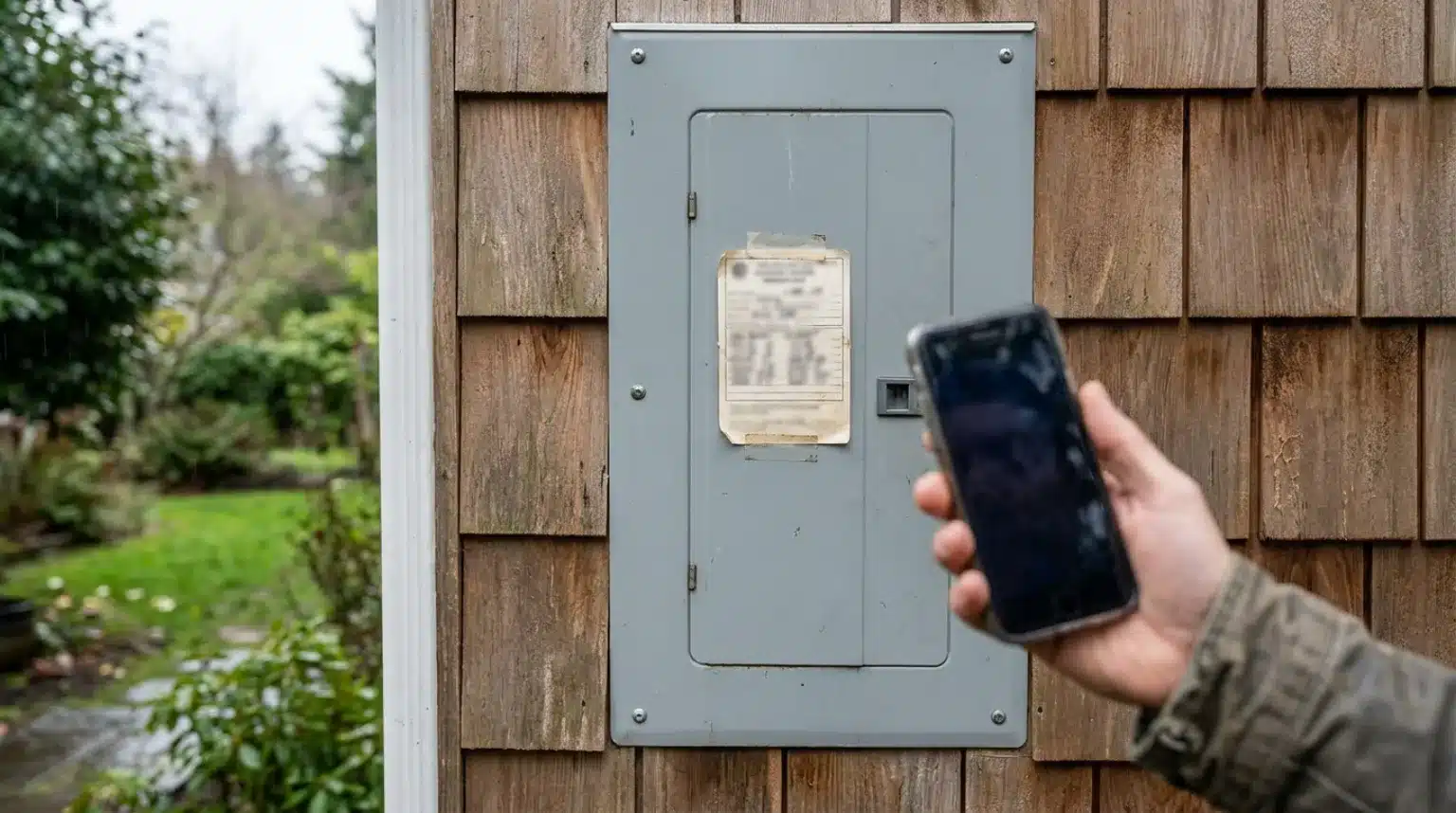
Modern high-efficiency AC systems and heat pumps, especially variable-speed models, draw significant electrical loads. Many require dedicated circuits in the 20 to 60-amp range and adequate headroom in your main electrical panel. Research on U.S. single-family homes shows that roughly 29 to 31 percent still have 100-amp or smaller panels, and that figure climbs sharply in older housing stock. A maintenance visit that includes a licensed electrician’s panel capacity review and load calculation can flag whether your current setup can actually support a new or replacement system before installation begins. Catching this early prevents mid-project cost overruns, code violations, and the kind of chronic tripped breakers that reduce system efficiency over time.
Smart Home and EV Charger Integration in Greater Seattle
Greater Seattle homeowners are increasingly combining AC and heat pump upgrades with EV charging station installations, and for good reason. Washington State offers strong EV incentives, and the demand for Level 2 home charging has grown steadily across Bothell, Everett, and surrounding communities. When your HVAC contractor also holds an electrical license, they can plan, permit, and execute both projects together. Circuits get properly sized from day one, loads are balanced across the panel, and you avoid the scheduling complexity and added cost of coordinating two separate trades. That kind of integrated planning is not possible when your HVAC company has to hand off all electrical work to someone else.
HFC Refrigerant Compliance and Electrical Safety in One Visit
The EPA’s ongoing HFC phasedown under the AIM Act has introduced real compliance requirements for refrigerant handling, leak detection, and documentation. With key restrictions taking effect in 2025 and 2026, these requirements are now a standard part of any professional maintenance visit. Having refrigerant compliance work and a full electrical inspection handled in the same visit reduces your liability as a homeowner, eliminates the need to coordinate separate service calls, and ensures your system meets federal standards on both fronts.
Mauro Electric Inc. has been delivering this kind of combined-service expertise to homeowners in Bothell, Seattle, Everett, and the broader Greater Seattle area since 1998. With more than 25 years of licensed electrical and HVAC experience behind every service call, the integrated approach is not a new offering. It is simply how the work has always been done right.
Smart Thermostats, Predictive Maintenance, and What Is Changing in 2026
Air conditioning maintenance is no longer just about scheduling a tune-up once a year and hoping for the best. The tools, regulations, and systems shaping home cooling are shifting quickly, and understanding what is changing in 2026 helps you make smarter decisions about your home.
From Scheduled Visits to Smart, Predictive Monitoring
Traditional maintenance operated on a simple calendar model: one visit per spring, check the filters, clean the coils, and move on. In 2026, IoT sensors and AI diagnostics are changing that model significantly. These technologies monitor refrigerant pressure, airflow rates, compressor current draw, and electrical anomalies in real time, flagging developing problems days or even weeks before they cause a failure. Early adopters of predictive maintenance approaches are seeing up to 72% fewer unplanned system failures compared to calendar-only scheduling. For homeowners, this means fewer emergency calls in the middle of a July heat wave and better control over when and how money gets spent on the system.
What a Smart Thermostat Actually Saves You
Pairing a properly wired smart thermostat with a well-tuned, efficient AC system delivers 8 to 15% in additional energy bill savings beyond what maintenance alone provides. That combination matters because a smart thermostat on a neglected, inefficient system cannot perform to its potential. When both pieces are working together, programmable schedules and occupancy sensing eliminate one of the most common sources of wasted energy: overcooling a home when no one is inside. For a Greater Seattle homeowner running an AC system through an increasingly warm summer season, those savings compound quickly over the course of a year.
Heat Pumps Are Becoming the New Standard
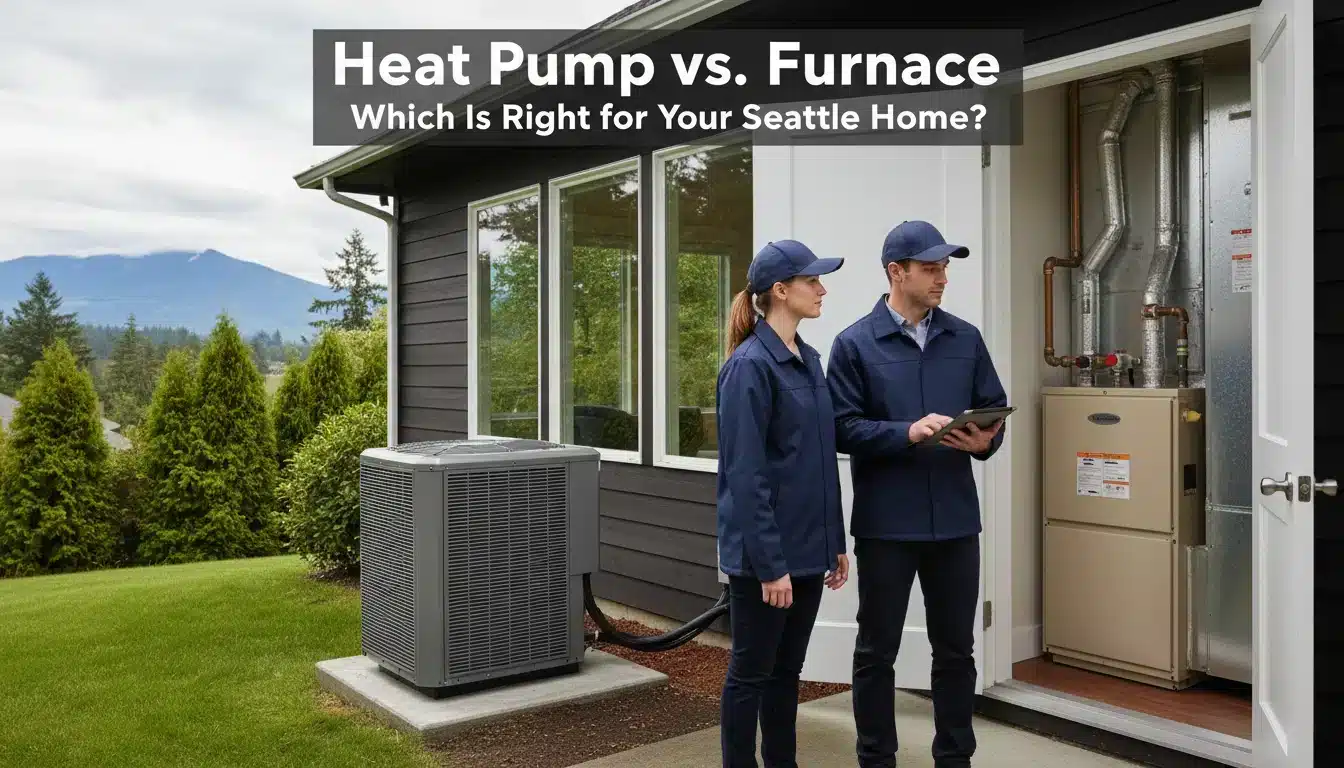
Heat pump shipments have surpassed gas furnace shipments in recent years, and Pacific Northwest homeowners replacing aging systems are choosing heat pumps at a growing rate. The region’s relatively mild winters and the efficiency advantages of modern heat pumps make them a practical fit. However, heat pumps require maintenance steps that go beyond standard AC service, including defrost cycle verification, auxiliary heat strip inspection, and refrigerant monitoring specific to variable-speed models. Knowing these requirements before installation helps homeowners plan for the ongoing service their new system actually needs.
Why Refrigerant Regulations Make Annual Maintenance More Valuable
The ongoing HFC refrigerant phase-down under federal regulations is making common residential refrigerants scarcer and more expensive. Discovering a depleted refrigerant charge mid-summer, when repair costs and refrigerant prices are at their peak, is now a significantly more expensive problem than it was even three years ago. Catching and repairing a refrigerant leak during a routine annual maintenance visit protects against that scenario and keeps your system compliant with evolving EPA requirements.
How Mauro Electric’s Background Fits This Changing Landscape
All of these trends, smart thermostats, high-efficiency heat pumps, and new electrical load requirements, share one common thread: they depend on solid electrical work to function correctly. Mauro Electric’s background as a licensed electrician and HVAC contractor makes them well-positioned to handle smart thermostat wiring, assess panel readiness before a new high-efficiency system is installed, and integrate EV charger circuits as part of a broader home modernization visit. That combination of skills under one contractor simplifies what would otherwise require coordinating multiple service providers.
Frequently Asked Questions About Air Conditioning Maintenance
How much does AC maintenance cost in the Seattle area?
Professional maintenance visits typically run $75 to $150 per visit for a standard tune-up on a central air conditioner or heat pump. Annual maintenance agreements average approximately $225 per year and generally include priority scheduling, discounted repair rates, and sometimes multiple visits or filter replacements. Given that a single unexpected repair can cost $350 to $1,200 or more, a maintenance agreement pays for itself the first time it prevents a serious breakdown.
Will skipping one year of maintenance really matter?
Yes, measurably. A single season of neglect allows coil fouling, refrigerant drift, and electrical connection loosening to compound. Each of those issues builds on the others, which is exactly why the energy waste range for unmaintained systems spans 5 to 47 percent depending on severity. One missed year may cost you 5 to 10 percent in extra energy use. Several missed years can push that figure dramatically higher while quietly shortening your system’s lifespan. The damage is gradual, which makes it easy to overlook until a major failure forces the issue.
Does my AC warranty require professional maintenance?
Most manufacturer limited warranties include a documented professional service requirement. Failure to maintain records of annual service by a licensed technician is among the most common reasons warranty claims are denied. DIY filter changes typically do not satisfy this requirement. Keep dated service invoices from every visit and store them with your equipment documentation. If you sell your home, those records also demonstrate to buyers that the system has been properly cared for.
Can I maintain a heat pump the same way as a traditional AC?
Heat pumps share most maintenance steps with traditional AC systems, including coil cleaning, refrigerant verification, filter changes, and electrical inspections. However, heat pumps also require defrost cycle testing, auxiliary heat strip inspection, and reversing valve checks that are specific to their year-round heating and cooling operation. Because heat pumps run continuously through both seasons, most technicians recommend servicing them twice per year, in spring and fall, rather than the single annual visit typical for a standard air conditioner.
How do I know if my electrical panel can handle a new high-efficiency AC system or heat pump?
This is a question that requires a licensed electrician, not just an HVAC technician. A combined electrician-HVAC contractor can assess panel capacity, dedicated circuit availability, grounding integrity, and overall load balance during a single review visit. Pure-play HVAC companies typically cannot legally perform electrical panel work. Older homes in the Greater Seattle area often have 100-amp panels that need upgrading to 150 or 200 amps before a modern high-efficiency system can be safely installed. Mauro Electric Inc. holds both licenses, which means a single visit with our team covers every aspect of that evaluation efficiently and on time.
Keep Your Home Cool and Your Costs Under Control
At roughly $225 per year, a maintenance agreement delivers a return that no other routine home service investment can match. Compare that annual cost against $350 to $1,200 or more for a single repair visit, or $9,000 to $16,500 for a full system replacement, and the financial logic becomes impossible to ignore. Preventive care keeps those larger expenses off the table while trimming 15 to 20 percent from your monthly cooling bills through improved efficiency.
The value extends well beyond the utility bill. A properly maintained system filters out dust, allergens, and mold spores more effectively, directly improving the indoor air quality your family breathes every day. Technicians also catch electrical hazards, refrigerant leaks, and worn components before they become safety concerns, giving you protection that no repair call can offer after the fact.
The most important action you can take right now is scheduling a spring maintenance visit before summer heat arrives. Early scheduling preserves your manufacturer warranty coverage, confirms your system is running at peak efficiency when you need it most, and secures a technician appointment before the seasonal rush fills available slots.
For homeowners in Bothell, Seattle, Everett, and surrounding communities, Mauro Electric Inc. offers a practical advantage no single-trade contractor can match. Holding both electrical and HVAC licensing, Mauro Electric has served Greater Seattle since 1998, handling maintenance visits, panel checks, and smart system upgrades under one trusted roof. One call covers the full scope of your home comfort investment.
Conclusion
Taking care of your air conditioner does not have to be complicated or overwhelming. By staying on top of filter changes, keeping your outdoor unit clear, scheduling annual professional tune-ups, and catching small issues before they become expensive problems, you can dramatically extend the life of your system and keep your home comfortable all summer long.
The effort you put in today pays off in lower energy bills, fewer emergency repairs, and a system that works reliably when you need it most.
Now it is time to take action. Start with one simple step this week, whether that means replacing your filter or booking a maintenance appointment. Build the habit, protect your investment, and enjoy the peace of mind that comes with knowing your home is ready for whatever the summer heat brings.